Hidden within a forest on the southern edge of the Canadian Shield, there is a sacred landscape known as Kinoomaagewaapkong—the Teaching Rocks. Yes, one of Ontario’s most remarkable cultural sites lies just 45 minutes northeast of Peterborough. Visiting Petroglyphs Provincial Park provides a fascinating glimpse into the cultures that travelled these lands and waters long before modern maps existed.
Disclosure: This post contains affiliate links. If you buy something from one of our affiliates, we receive a small commission at no extra charge to you. Thanks for helping to keep our blog up and running!
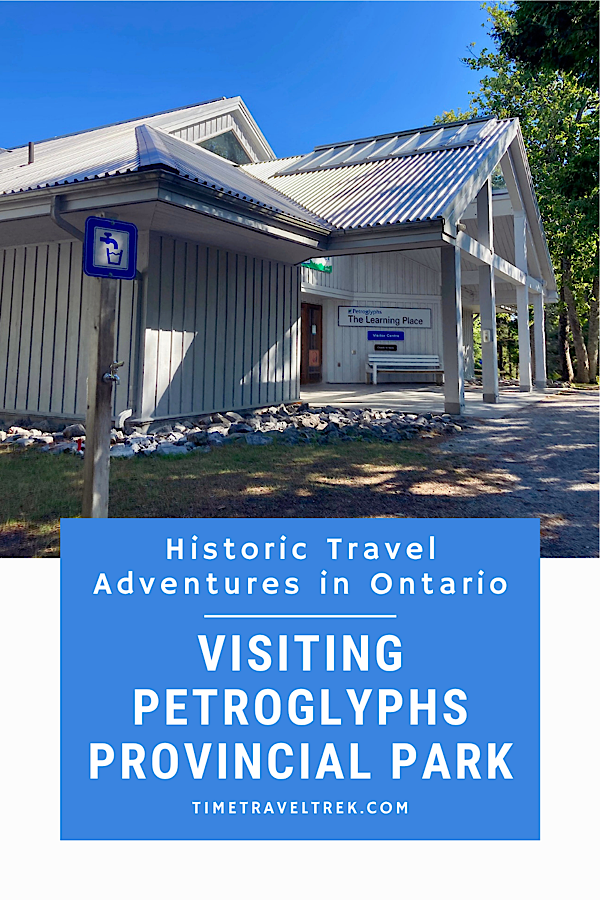
Table of Contents
Why Visit Petroglyphs Provincial Park?
For travellers following our Ontario’s Canoe Connection series, you’ll have a sense that canoe routes were the highways that linked communities across the Canadian Shield. Ancient travellers, hunters, and spiritual leaders left messages carved into stone near those same routes. Modern visitors can still experience the site, learn its stories, and better understand the people who travelled these waterways long before canals and roads existed.
For us, visiting the park ties together our passion for learning about rock art and history and culture relating to canoe travel. Whether you want to view the largest known concentration of Indigneous rock carvings in Canada, discover the traditions of the Ojibway (Nishnaabe) people or enjoy nature with a hike around McGinnis Lake or birding on forest trails, this site has something special to offer.
One of Canada’s Most Important Rock Art Sites
Here, more than 900 ancient carvings etched into marble tell stories of animals, spirits, people, and beliefs that have endured for centuries. These aren’t simply archaeological artifacts. They remain a living cultural site for the Curve Lake First Nation and offer visitors a rare opportunity to learn about Indigenous history, spirituality, and the deep connections between people and the waterways of Ontario.
One of the largest concentrations of prehistoric rock carvings in Canada, the site was designated a provincial park in 1976 and declared a national historic site five years later. Today the site is managed in partnership with the Curve Lake First Nation.
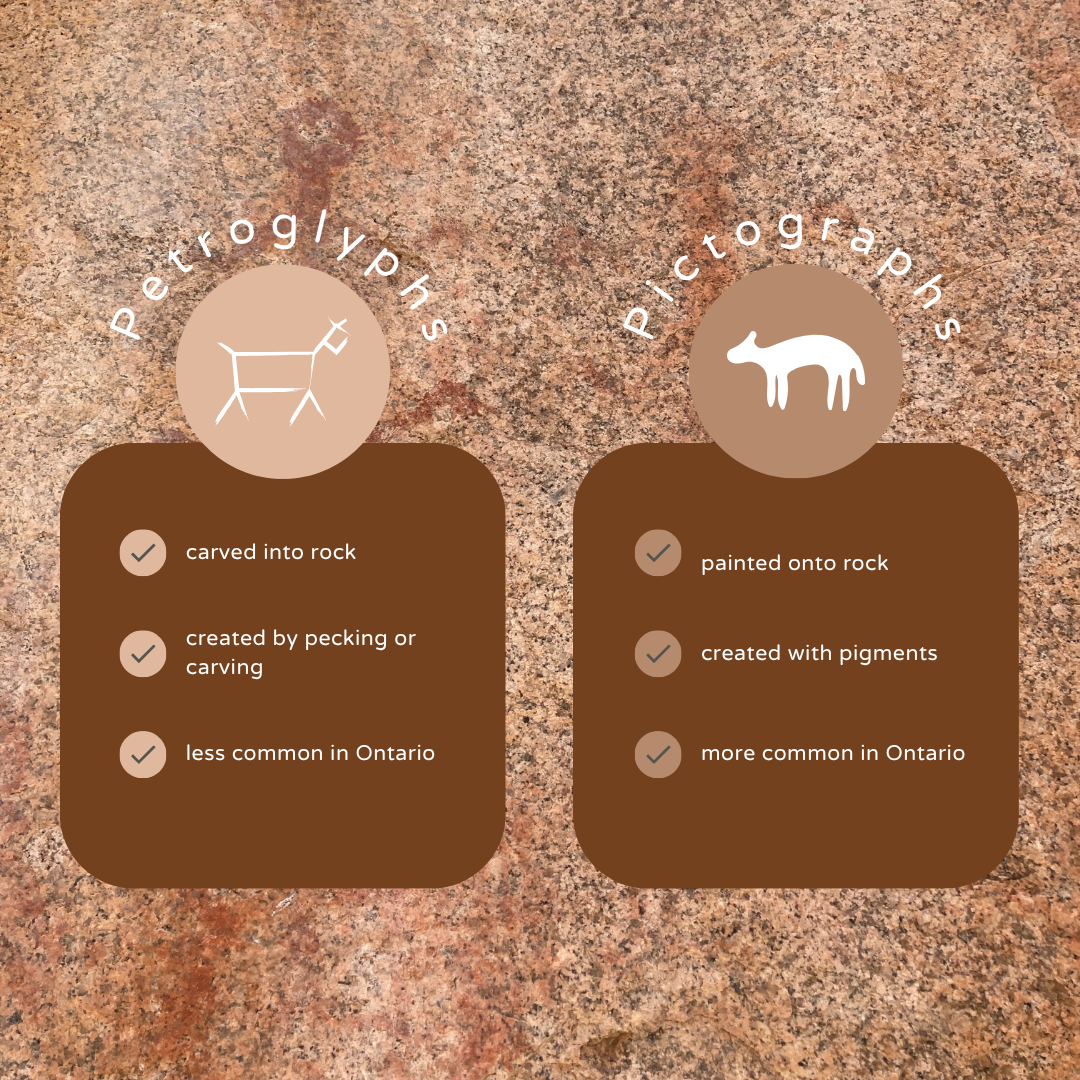
What Are Petroglyphs?
Are Petroglyphs Common in Ontario?
Although there are more than 300 known Indigenous rock art sites in Ontario, most of them are pictograph sites. There are about 20 known petroglyph sites in the province. Petroglyphs Provincial Park is not only the largest collection in Ontario, but also one of the largest in North America.
Interesting in other notable rock art sites in Ontario? Check out Agawa Rock, Bon Echo, Missinaibi Lake and Sioux Narrows.
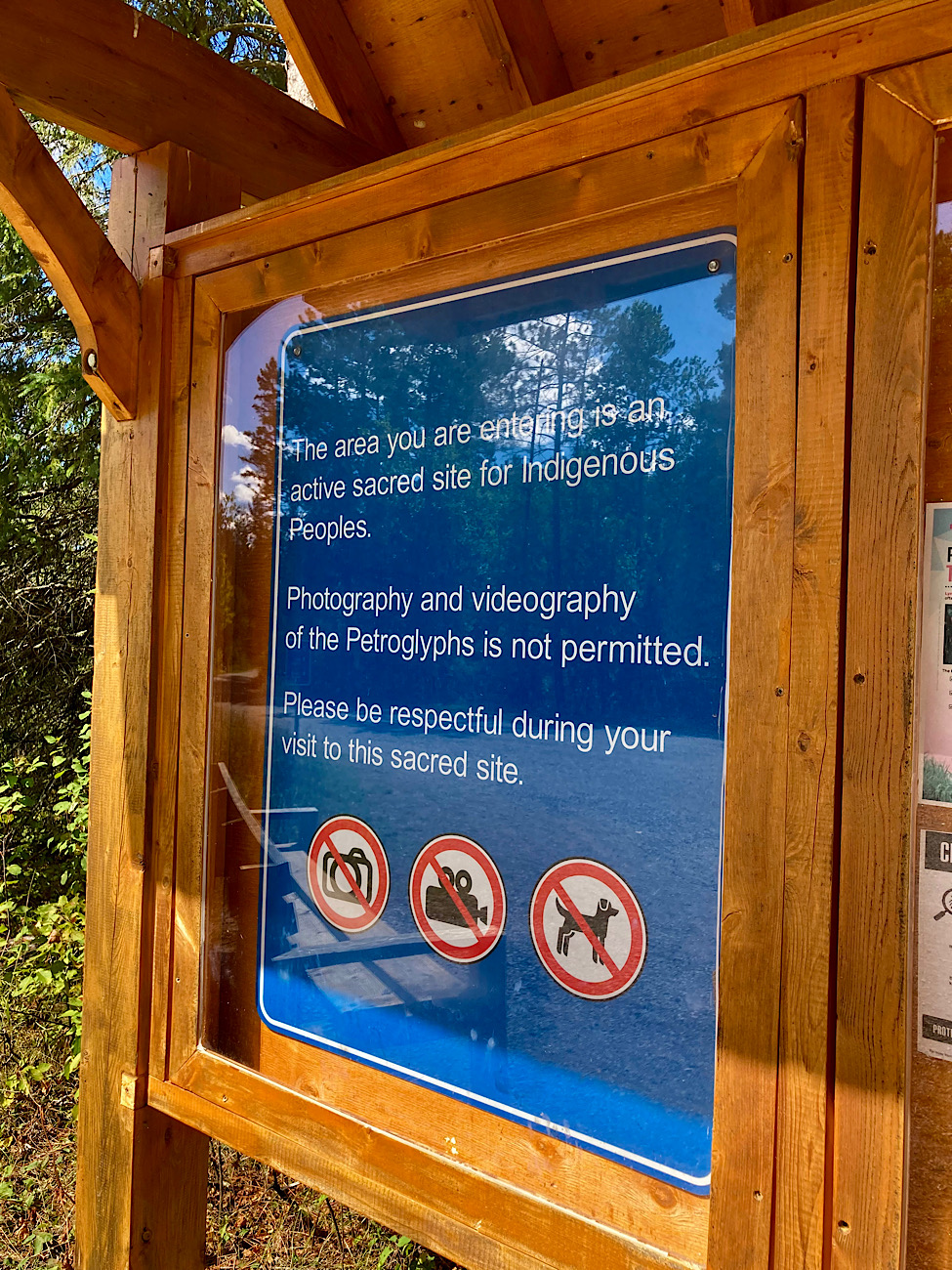
Petroglyphs Provincial Park: A Sacred Place, Not Just a Historic Site
The indigenous name for this place is Kinoomaagewaapkong. It means “The Teaching Rocks”. A sacred site for generations of Anishinaabeg peoples, it is still used for ceremonies today.
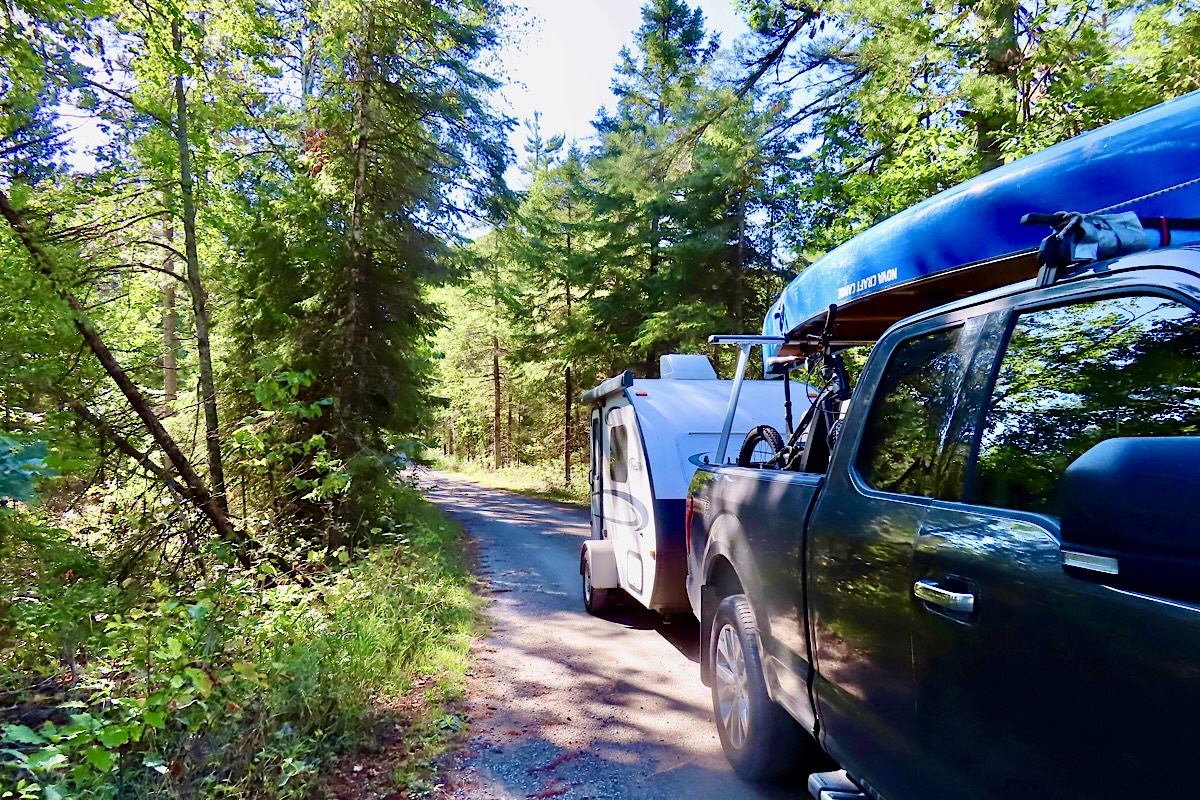
When we drove off the road into the park, the forests close in and the road narrows. It feels like time slows down and the 3 km (1.8 mi) drive to the Visitor Centre parking lot goes on and on, pulling us back in time.
We walked the path to the Visitor Centre, grounded and open to learning about the past… but to be honest, it was the petroglyphs that were the draw and we couldn’t wait to see them.
The Story Behind the Carvings
It’s believed that the petroglyphs were carved by Algonkian-speaking peoples – likely the ancestors of today’s Anishinaabe peoples – between 500 to 1,000 years ago.
Why here?
This gently sloping marble outcrop is unusual in the area. An underground stream beneath the rock made sounds that worked up to the surface and escaped in the air. There is a belief that crevices could connect to the spirit world. Over 900 images were carved into the 24.6 m x 14.6 m (80.7 ft x 47.9 ft) teaching rock.
The Secret is Out
The petroglyphs – covered with a protective layer of moss – remained a secret until 1954 when a group of geologists out on a survey discovered a series of strange carvings on a rock outcrop. The moss was removed and the petroglyphs were exposed to erosion. Experts from Trent University studied the rocks and word of their existence spread. Visitation increased and there was growing concern for site preservation.
The provincial government declared the site of unusual historic interest and established the provincial park. It was decided that the best way to preserve the petroglyphs from acid rain and algae was build a climate-controlled building overtop.
The glass and steel building pops into view, breaking the natural feeling of the forest walk. For a moment we are unsure, but as we step through the doors, we can smell faint traces of tobacco offerings. Voices are hushed. People move quietly around the outer walkway, pointing and whispering.
Visiting the Petroglyphs
We start looking. There are turtles, birds, snakes, human figures, spiritual beings, abstract symbols and canoes.
What they mean and why they were included is a matter of ongoing scholarly debate. Are they vision quests? Teachings? Part of spiritual ceremonies? Shamanic experiences?
A small paper guide and onsite interpreters today help visitors understand some of what they are looking at and open the doorway for discussion about the meaning of certain petroglyphs in the collection.
The teaching rock itself is relatively small.
It’s impact? Large.
How Does Petroglyphs Provincial Park Connect to Ontario’s Canoe Connection?
The park sits near the Trent-Severn Waterway corridor where we paddled the day before. Long before locks and canals, Indigenous people travelled these interconnected lakes and rivers following ancient routes to reach sacred places like this.
Standing above the Teaching Rocks, it is easy to focus on the carvings themselves. But perhaps the greater lesson is found in the landscape around them—the forests, waterways, and ancient travel routes that have connected people to this place for centuries.
Throughout this journey we’ve explored Ontario through a canoe lens. At Petroglyphs Provincial Park, we step even further back in time to discover the people who first navigated these waters and left messages carved into stone. These carvings are not relics from a vanished culture but part of a living tradition that continues today.
When You Go
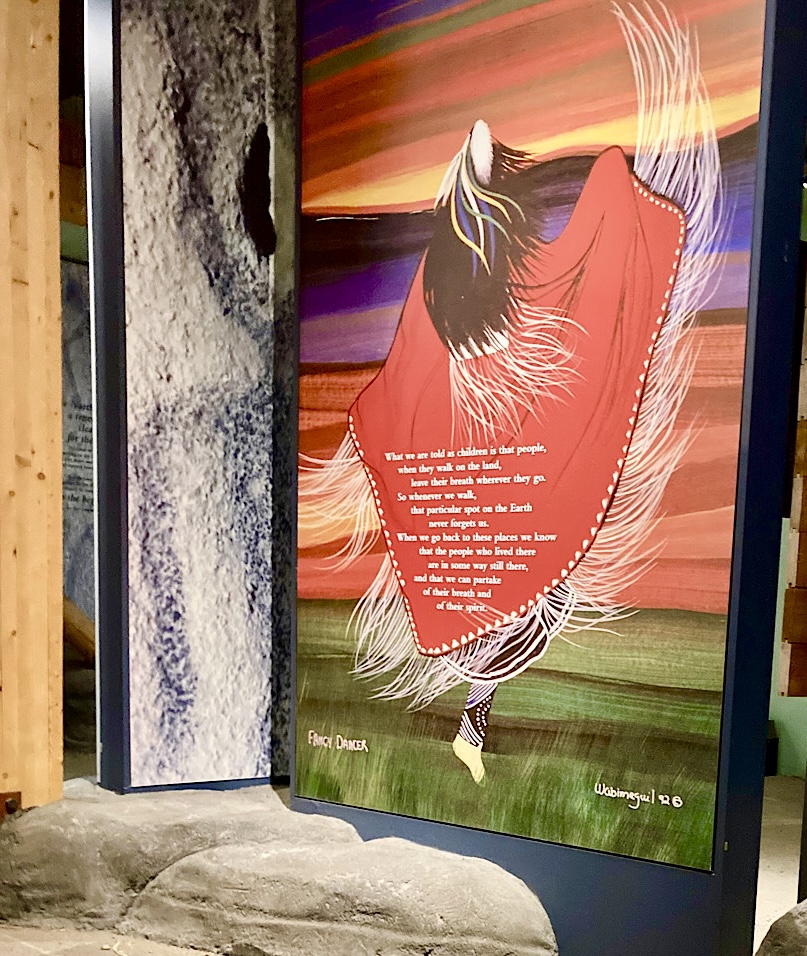
Although we wandered through the Learning Place Visitor Centre relatively fast on our way in, we did take another look on our way out. The excellent interpretive displays and exhibits – and the management partnership with the Curve Lake First Nation help bring the past back to the present.
If you have time – sadly, we didn’t – walk one or more of the trails in the park or visit the bright bluish green McGinnis (one of only a handful of meromictic lakes in Canada where layers of water don’t intermix).

Check out our 2027 RV Trip planner, available on Etsy – it works well as a simple monthly, weekly, and/or daily journal to get you started right in the New Year!
Getting to Petroglyphs Provincial Park from Peterborough
- Located approximately 56 km northeast of Peterborough
- About a 45-minute drive
- Accessed via Highway 28 and local roads near Nephton
When Is Petroglyphs Provincial Park Open?
- Day-use only park; no overnight camping facilities
- Open 10 am – 5 pm (no access after 4 pm and all vehicles must exit before gates close at 5 pm)
- The park is open year-round, but the petroglyphs site is closed Thanksgiving through early May.


Leave a Reply