Peterborough is synonymous with canoes in my mind—but there’s so much more to discover in this vibrant city along the Trent-Severn Waterway. From historic lift locks and charming heritage homes to paddling adventures and bustling farmers’ markets, it offers the perfect blend of culture, history, and outdoor exploration. If you’re travelling by RV, Peterborough makes an ideal stop on your Ontario road trip.
Disclosure: This post contains affiliate links. If you buy something from one of our affiliates, we receive a small commission at no extra charge to you. Thanks for helping to keep our blog up and running!
Table of Contents
Peterborough: Canoes and So Much More
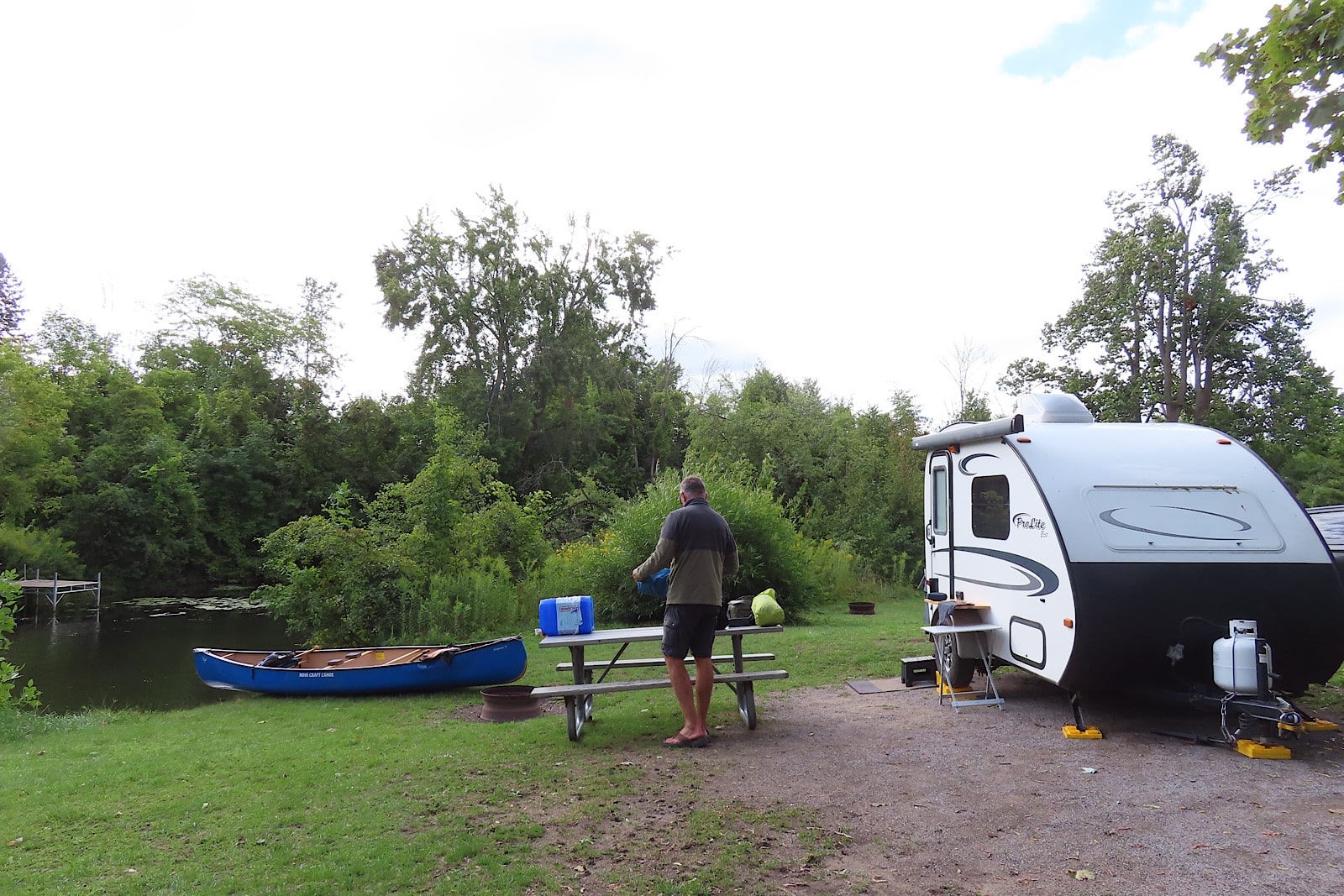
We came to Peterborough on our Ontario paddle journey for one reason—the Canadian Canoe Museum. After settling in at the nearby Beavermead Park Campground and too late in the day to start a museum tour, we set off to explore the neigbhourhood.
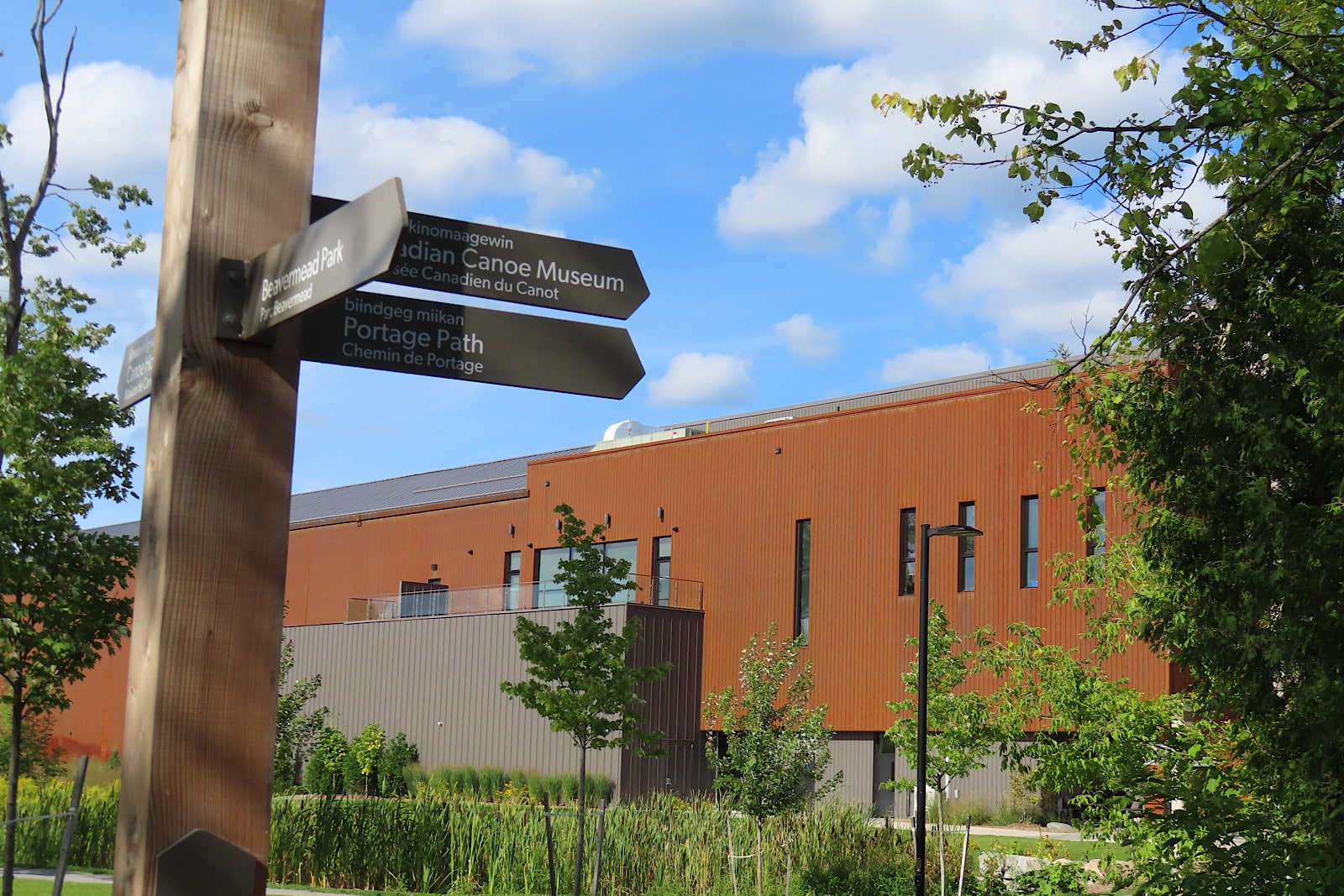
Situated on the shores of Little Lake, this scenic campground is within walking distance of the museum and offers easy access to the historic waterways that shaped Canada’s past. From here, Peterborough unfolds as a walkable and paddle-friendly destination filled with stories waiting to be discovered.
Strolling Through History Along the Trent-Severn
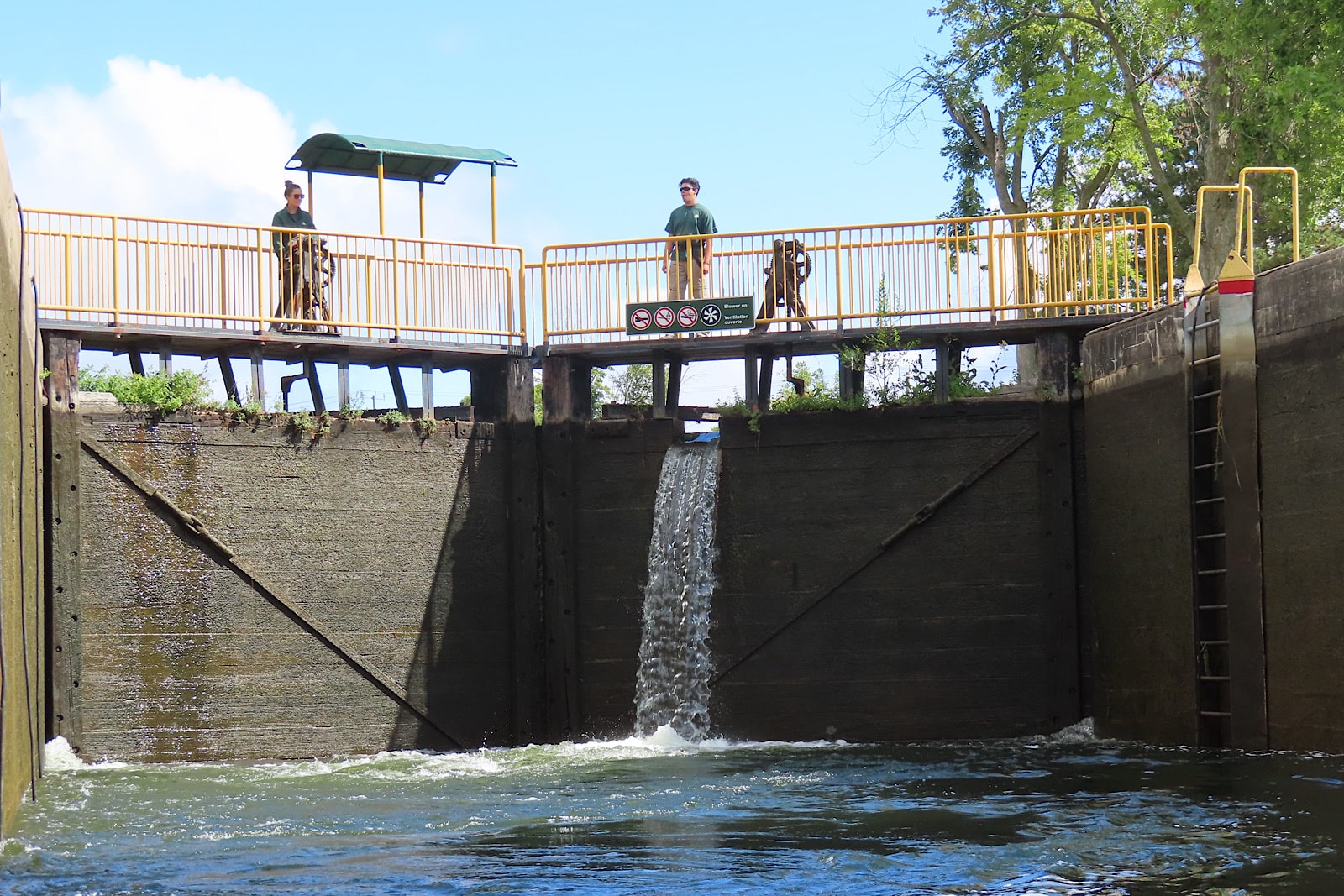
A short walk from camp leads to the iconic Trent-Severn Waterway, a National Historic Site of Canada that links Lake Ontario to Georgian Bay. At the first lock, friendly Parks Canada staff share fascinating insights into its operation. During peak season, the lock opens and closes nearly 28 times a day, with each cycle taking about 15 minutes.
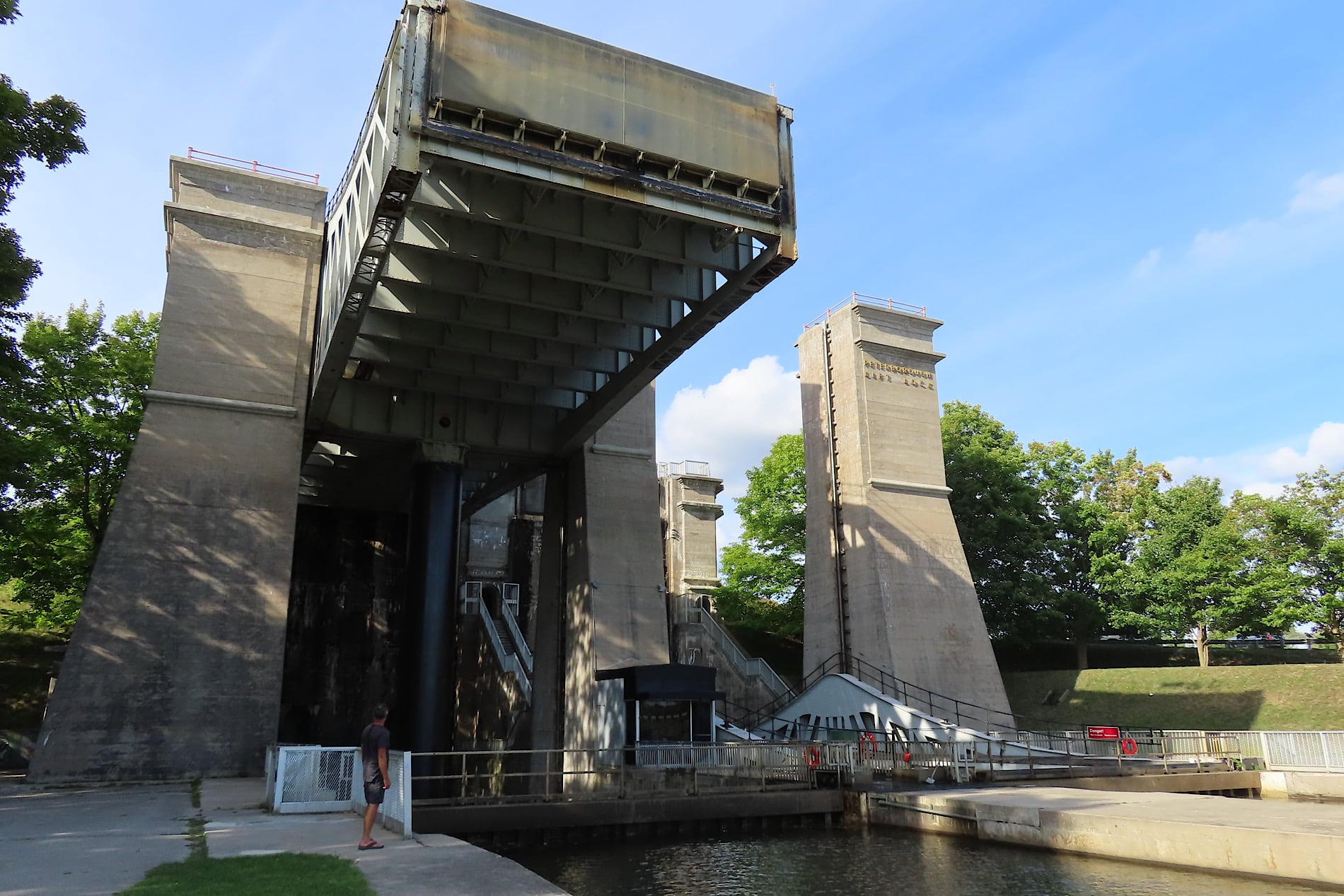
We headed up the waterway along the paths less than a kilometre to the Peterborough Lift Lock—the highest hydraulic lift lock in the world. Completed in 1904, this National Historic Site remains one of only two lift locks in Canada, both located along the Trent-Severn Waterway. Seeing it in action is nothing short of extraordinary.
How does a lift lock work?
At first glance, the Peterborough Lift Lock looks like a giant mechanical balancing act—and that’s exactly what it is.
Instead of using traditional lock gates to slowly raise or lower boats with changing water levels, this lift lock works like a massive hydraulic elevator.
Two giant water-filled chambers sit side by side, like giant swimming pools that boats – including canoes – enter as the gate lowers. Beneath each chamber is a large piston (called a ram) that fits into a water-filled cylinder below. The two cylinders are connected by a pipe and controlled by a valve.
Before the lock begins moving, one chamber is made slightly heavier by adding just a little extra water—about the weight of a few people. That small difference is enough to set the system in motion.
When the valve is opened, the heavier chamber sinks. As it moves downward, it pushes water through the connecting pipe into the opposite cylinder. That pressure lifts the lighter chamber upward.
In other words: one side goes down, and the other rises—without motors doing the heavy lifting.
Once the chambers reach their new positions, the valve is closed, the gates open, and the boats continue on their way.
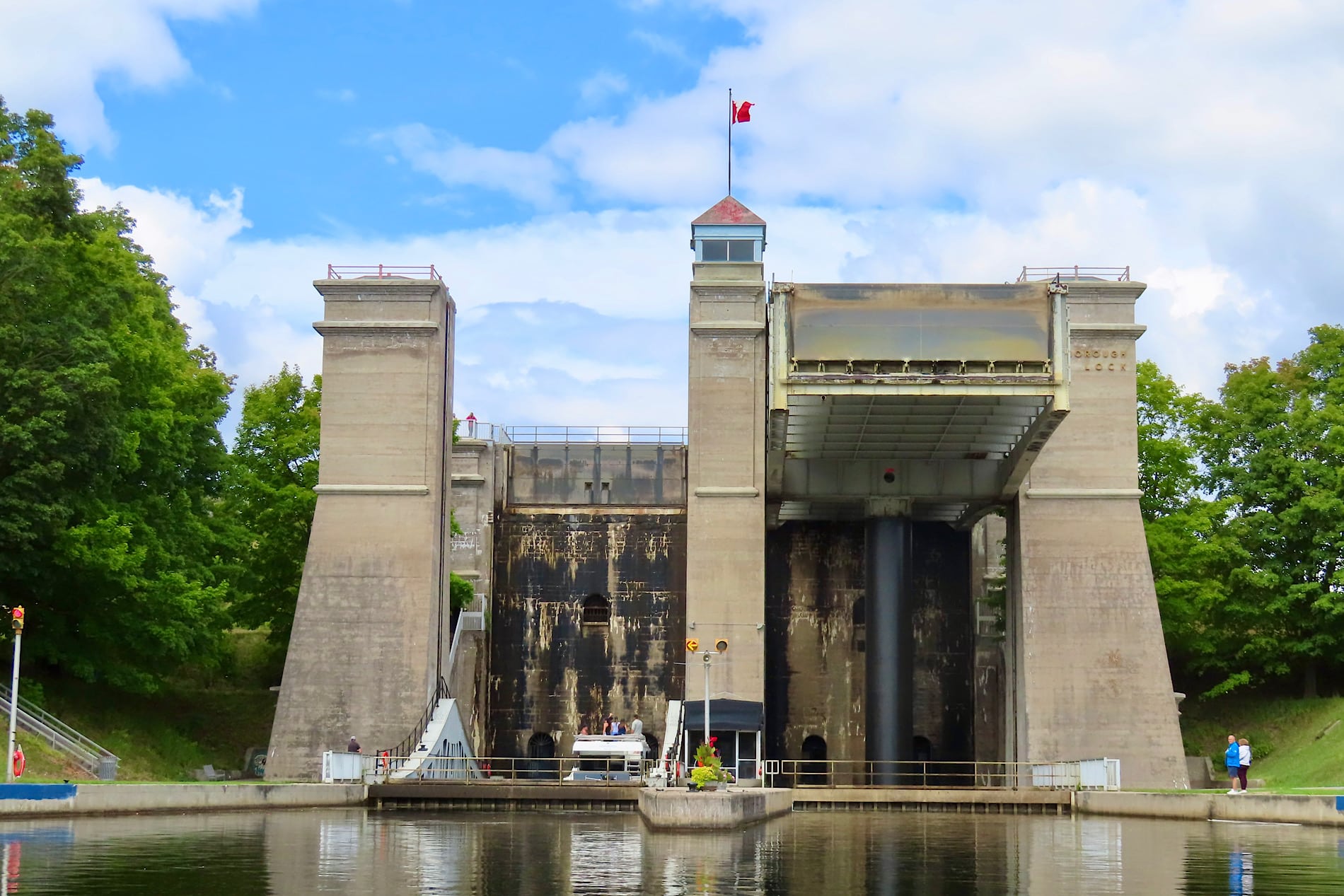
More fun Peterborough Lift Lock facts!
- Inaugurated on July 9, 1904, the Peterborough Lift Lock took 8 years to build.
- With a height of 19.8 metres (65 ft), it is the highest hydraulic lift lock in the world.
- Only 8 lift locks of this type have been built in the world. Besides the 2 in Canada, lift locks can be found in Belgium, Great Britain and France.
An Evening in East City
From the lift lock, we walk Hunter Street into East City for dinner at the Railyard Café and Taphouse. From there, a leisurely stroll reveals quiet streets lined with historic homes and scenic river views.
While wandering along Robinson Street, two architectural gems stand out:
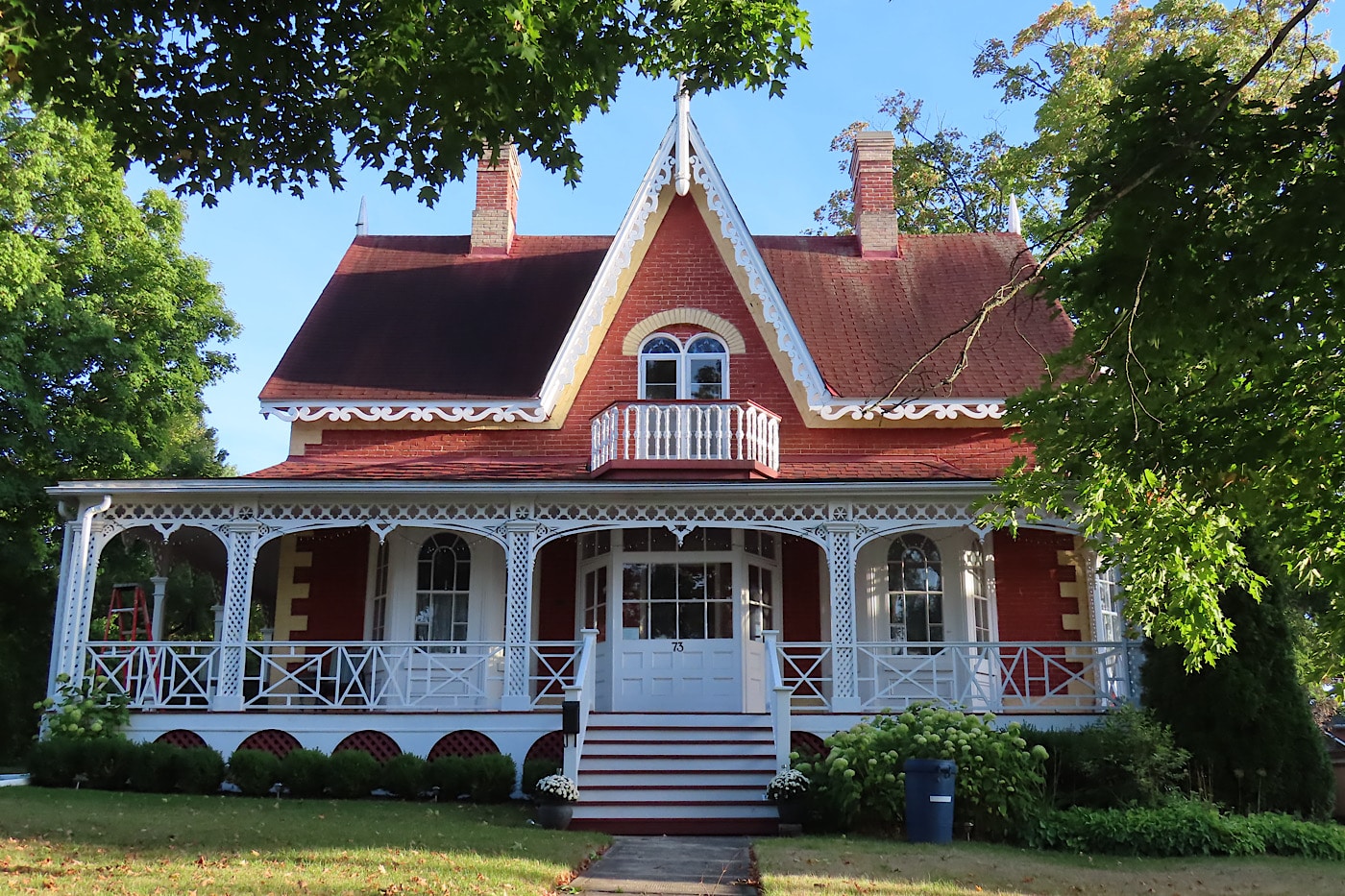
Exploring the Past: The Henry Calcutt House
Built in 1866, this striking red-brick Gothic Revival home at 73 Robinson Street features ornate bargeboard trim and elegant Italianate windows. Once owned by prominent brewer and entrepreneur Henry Calcutt, the residence reflects the prosperity and craftsmanship of 19th-century Peterborough.
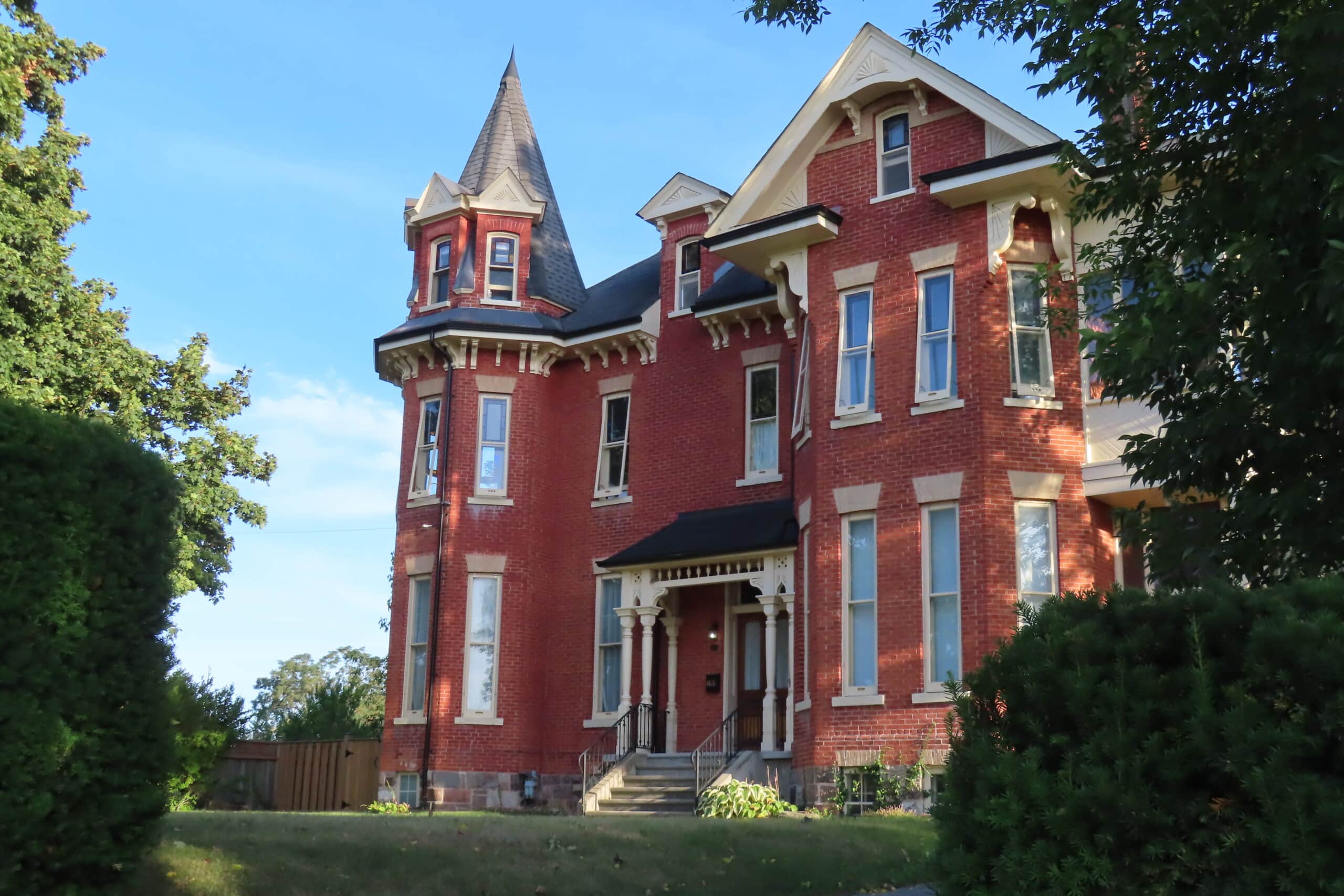
Another Gem: The John C. Sullivan House
Constructed in 1886 and designed by renowned architect William Blackwell, this elegant Italianate mansion at 83 Robinson Street is among the finest in the city. Over the decades, it has served as a private residence, convent, and boarding house. Today, it stands as a testament to Peterborough’s rich architectural heritage.
Time to head back to camp—tomorrow’s tour of the Canadian Canoe Museum awaits!
Paddling the Trent-Severn: A Journey Through Time
We’d planned to move on after the museum visit, but we weren’t quite done yet. It didn’t seem right to leave Peterborough without experiencing its waterways firsthand. So, launching from Beavermead Park, we embarked on an unforgettable 18-kilometre round-trip paddle along the Trent-Severn Waterway.
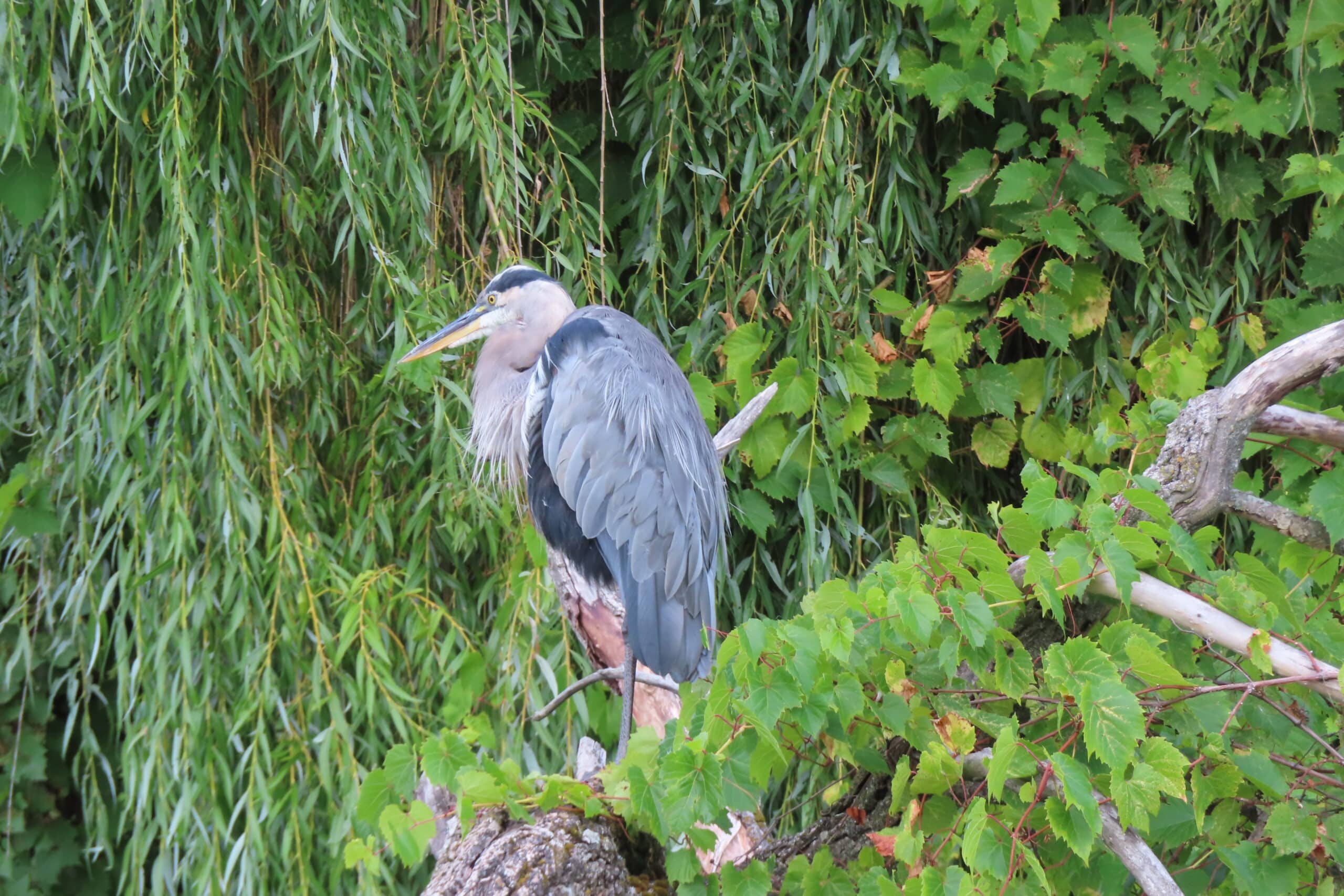
Gliding through a quiet creek behind our campsite, we passed beneath a footbridge and into the Otonabee River, sharing the water with anglers and early-morning wildlife. A heron stalked the shallows, an osprey hovered above Little Lake, and flashes of colour from kingfishers and cardinals brightened the shoreline.
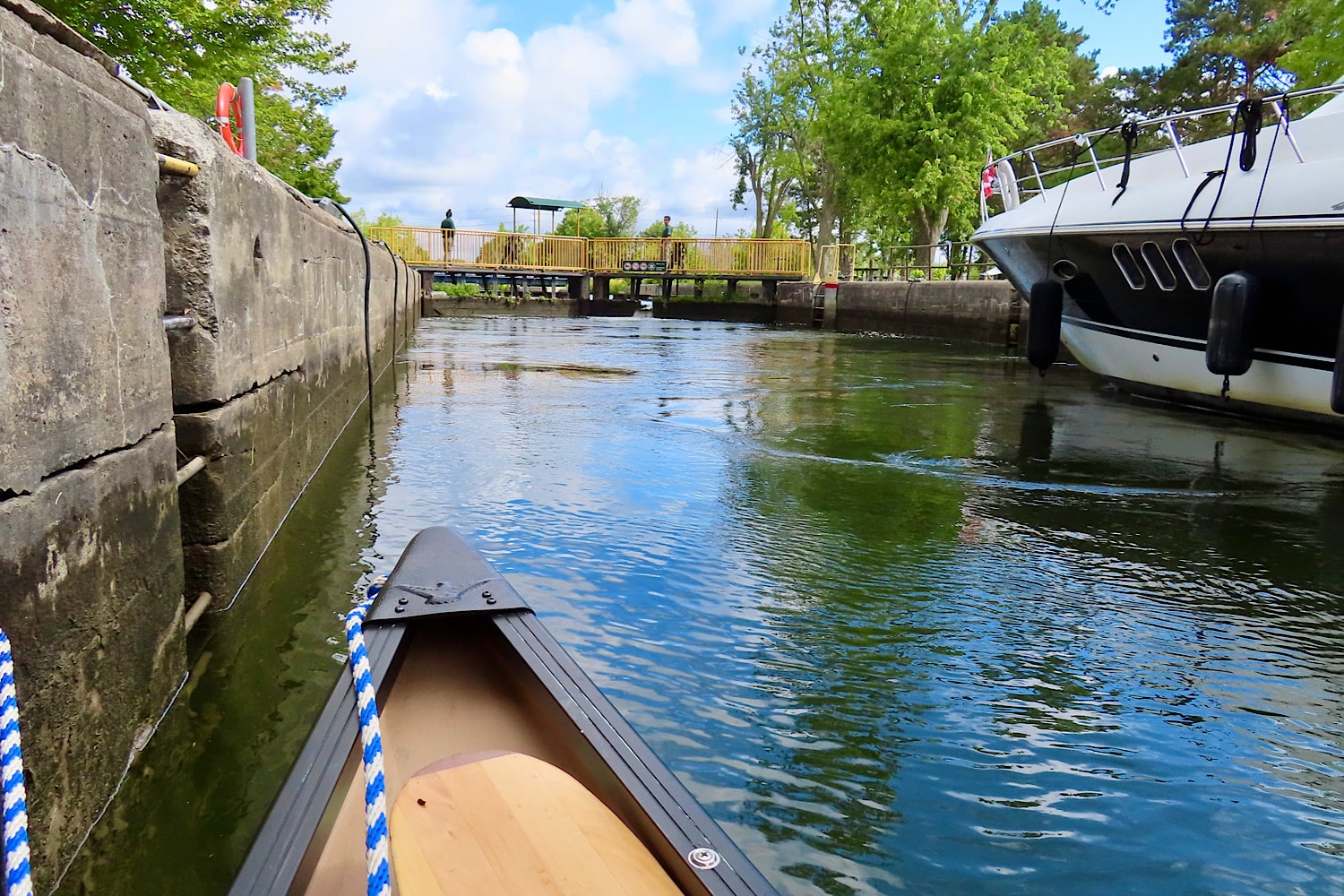
Crossing Little Lake, we approached the first lock before continuing toward the towering Peterborough Lift Lock. Timing our entry meant waiting our turn, but this journey was about the experience—not expediency.
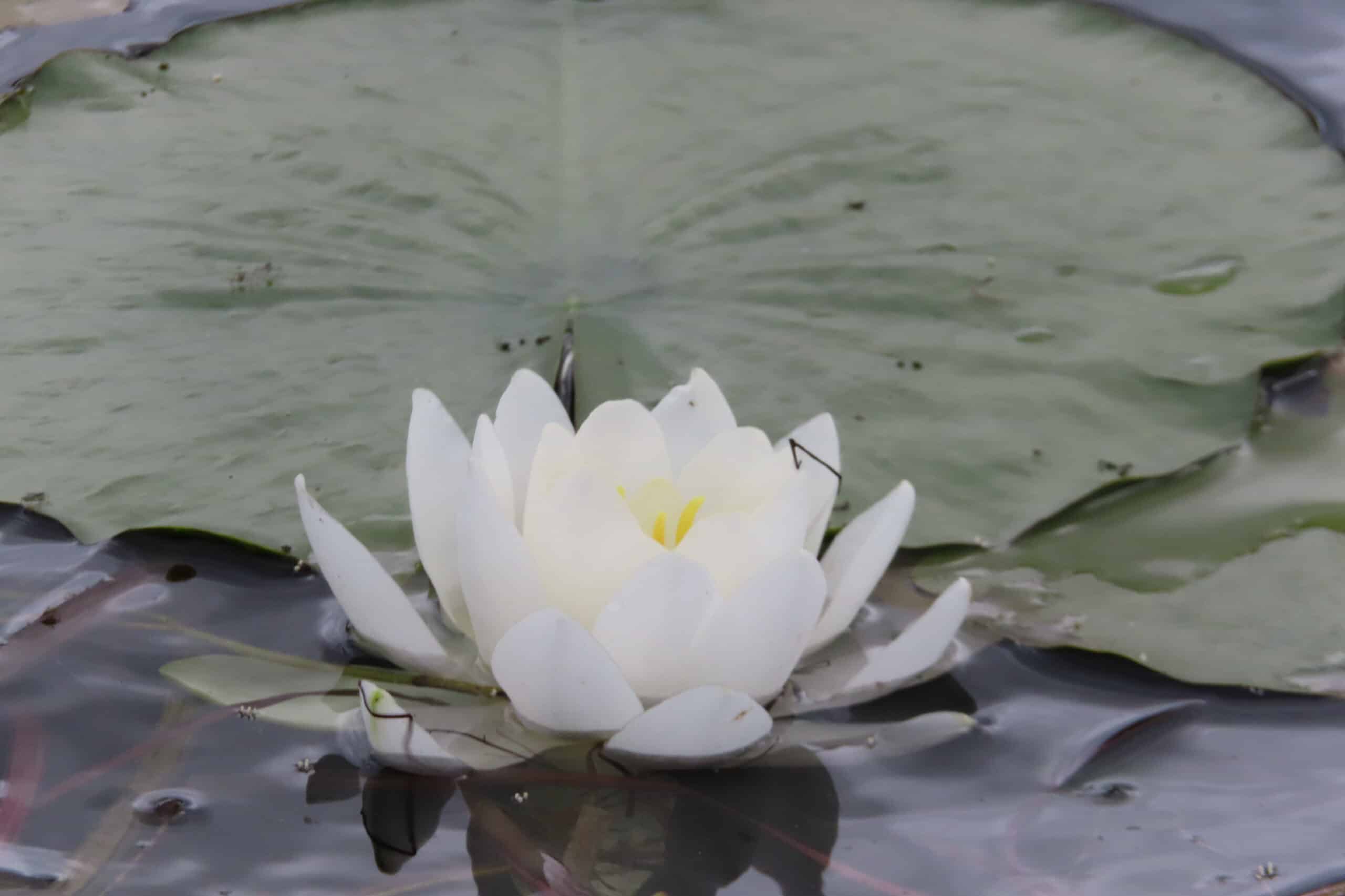
We pressed onward to a lock beyond Trent University, accompanied by paddleboarders, kayakers, canoeists, and even a lone rower. Pygmy water lilies dotted the surface as ducks and geese drifted nearby.
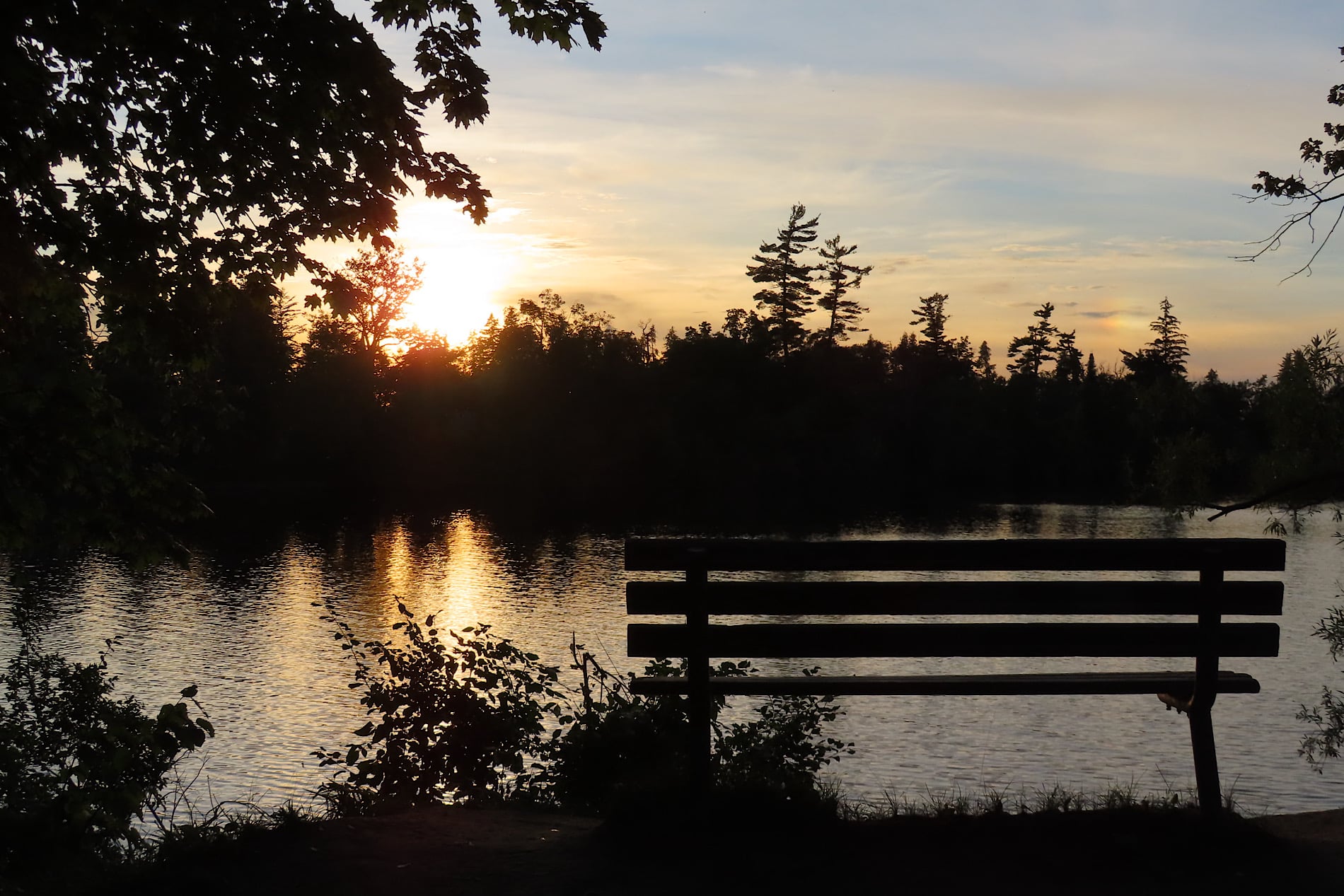
The return journey brought swirling headwinds—and a brief, playful attempt at hoisting a makeshift sail. Eventually, we paddled back through a narrow channel beside the canoe museum, navigating between circular bridge supports before gliding into camp—a little tired, a whole lot exhilarated, and majorly inspired by what this area has to offer.
A Morning at the Peterborough Farmers’ Market
Before departing, we took a detour to visit the historic Peterborough Farmers’ Market, established over 200 years ago in 1825. Open from 7 a.m. to 1 p.m., it’s one of Ontario’s oldest markets and a delightful place to experience the region’s agricultural heritage.

Our fresh haul included:
- Corn on the cob
- Organic romaine lettuce
- Cherry tomatoes and green beans
- Pattypan squash and carrots
- A ripe cantaloupe
- Sourdough spelt bread and savoury danishes
- Caramelized onion cheese
With our provisions stocked, we returned to camp, packed up, and hit the road.
Peterborough is all about canoes—and so much more.
When You Go
Where to Stay
- Beavermead Park Campground – waterfront RV-friendly camping within walking distance of top attractions.
Must-See Attractions
- Canadian Canoe Museum
- Peterborough Lift Lock
- Trent-Severn Waterway
- Peterborough Farmers’ Market
Travel Tips
- Allow at least two to three hours to explore the canoe museum.
- Bring comfortable walking shoes for exploring East City and the locks.
- Plan your paddling route with lock schedules in mind.
- Visit the farmers’ market early for the best selection.
- Book campsites in advance during long weekends and peak season.
The Canoe Connection Series
You’re reading Part 5 of 10
Next Stop: Petroglyphs Provincial Park – Messages in Stone


[…] park sits near the Trent-Severn Waterway corridor where we paddled the day before. Long before locks and canals, Indigenous people travelled these […]