Arriving in Athens with a list of things to do – from exploring ancient wonders and sunlit ruins – we couldn’t wait to witness the iconic Greece we’d seen in books and films over the years.
What we didn’t expect was how quickly the city would push us beyond that postcard image—past the cruise ship crowds and souvenir shops, toward something older, rougher and infinitely more interesting. Athens is the heart of an old soul – with a past that spans across the country.
Disclosure: This post contains affiliate links. If you buy something from one of our affiliates, we receive a small commission at no extra charge to you. Thanks for helping to keep our blog up and running!
Table of Contents
Why Athens Matters Before Heading Inland
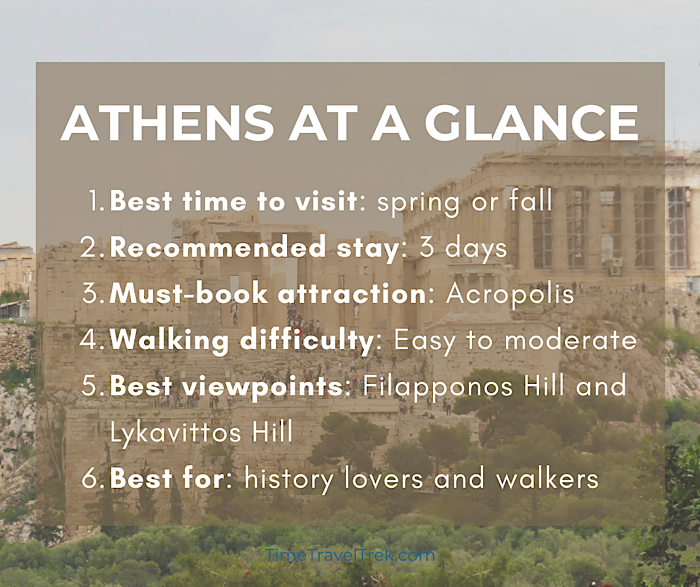
Athens is an essential jumping-off point for mainland Greece. It’s the birthplace of democracy and philosophy, and home to iconic monuments like the Parthenon and the Temple of Olympian Zeus.
There is a ton to see here, but we weren’t about to race through every historic site and museum – Gear Guru was thankful for that! Instead, we decided to start slowly—meandering as we recovered from a long international flight. It didn’t take long for the spirit of the city to pull us in.
We took the metro from the airport directly to Monastiraki Square. Graffiti flashed past on almost every surface. With each stop, more people squeezed onto the train until there was barely room to stand. We shifted our backpacks onto our laps and watched the city unfold through the windows.
Stepping out into the crush of crowds in the square, we threaded our way through narrow streets toward our accommodation. After dropping our luggage, we wandered up Pandrossou Street, a busy pedestrian thoroughfare lined with shops, cafés, and travellers moving in every direction.
Then, suddenly, everything slowed down.
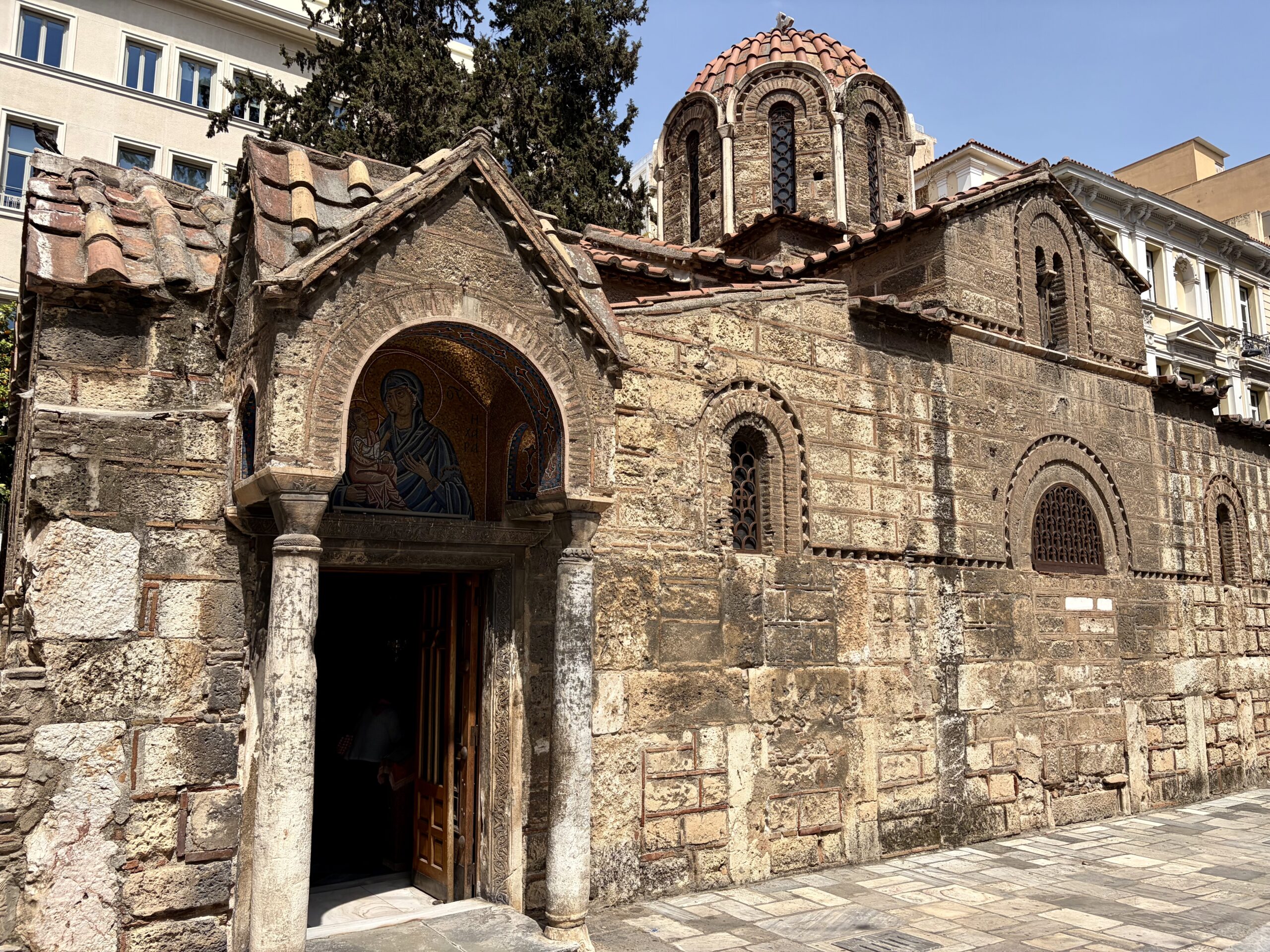
We paused in the small square in front of Agios Eleutherius, often called the “Little Cathedral.” Built in the 12th century on the ruins of an ancient temple, this tiny Byzantine church once served as the main church of the city. Just minutes from our home away from home for the next few days, it felt worlds apart from the energy of Monastiraki.
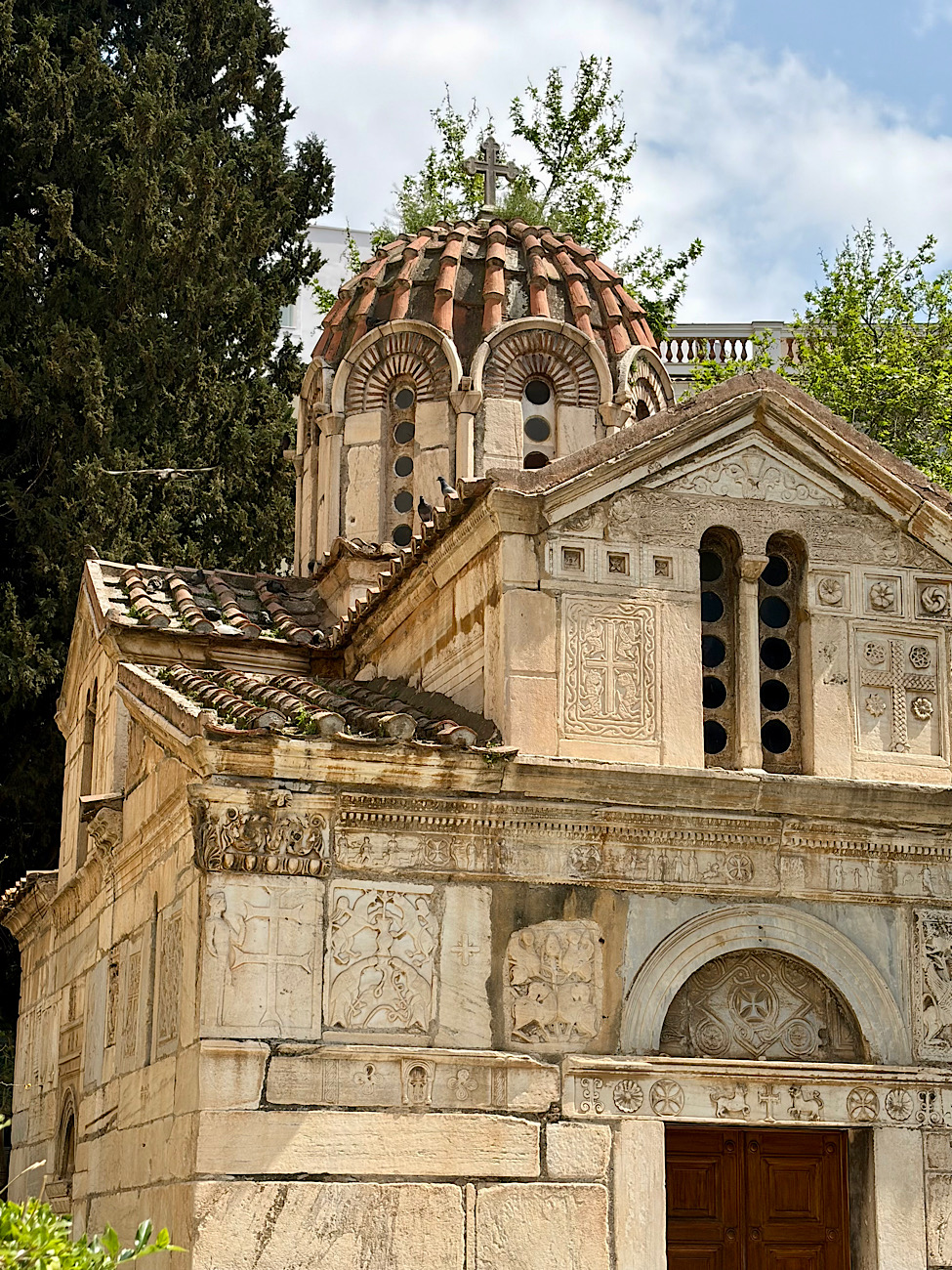
It was calm here, tucked just beyond the bustle. A glimpse of the Acropolis appeared up a side street.
We’re here.
Getting Real in Athens
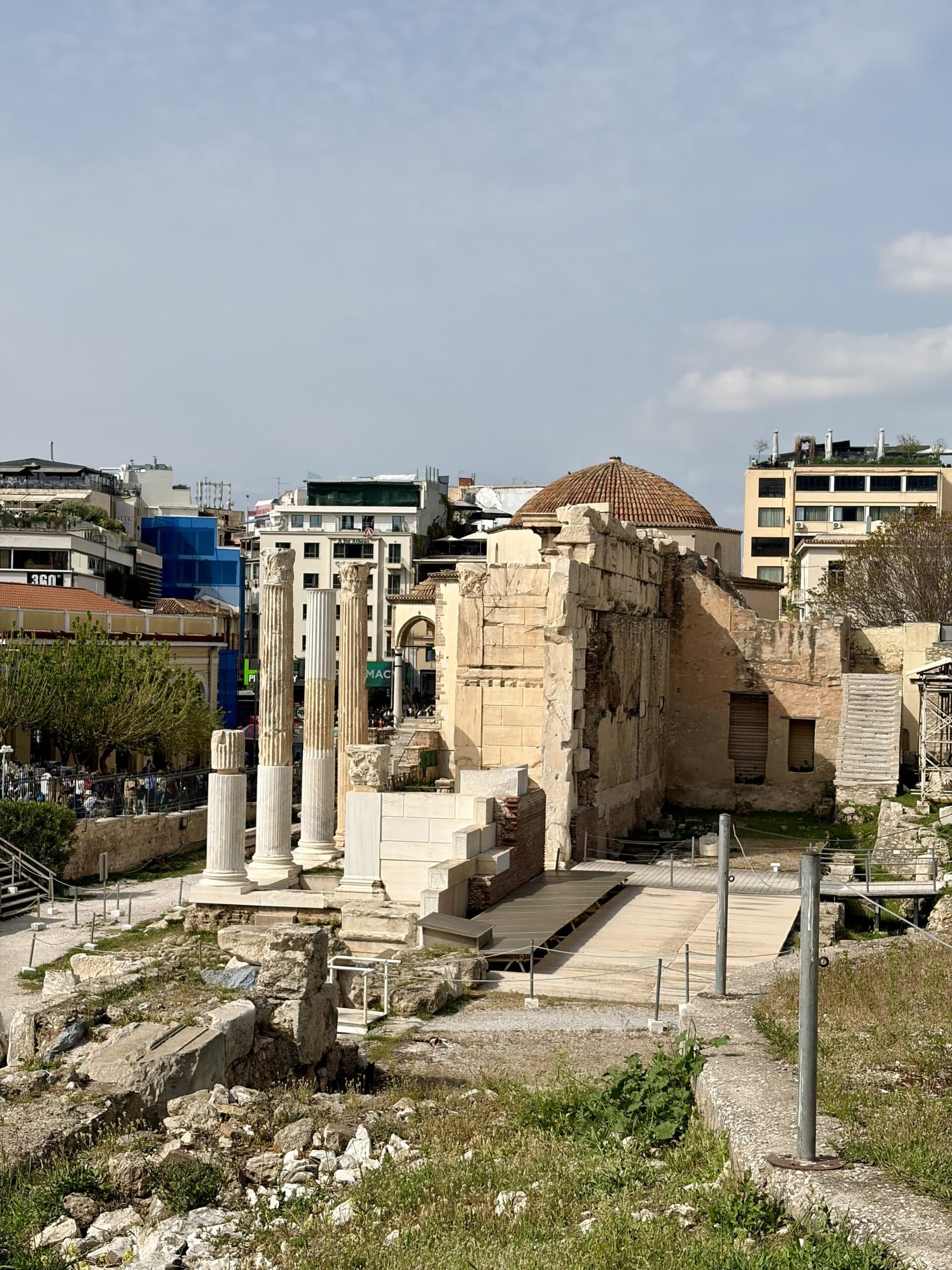
After quick catnap in our room, we forced our jet-lagged bodies to get up and start adjusting to local time. We wandered through the neighbourhood, past Hadrian’s Library and back down to Monastiraki Square past rotating spits of meat outside restaurants to where crowds gathered around street performers.
From here, simply wanting to move, we wandered up a wide main road (Athinas) leading off the square. Sunday-shuttered shops were completely covered with graffiti. Tourist crowds faded away and local vendors were the only action on the quieter street.
A fountain beckoned in the distance (Plateia Omonias) and we made it our turn-around point. On the other side of the busy road, the square was packed with groups of men. We were starting to push our comfort zone.
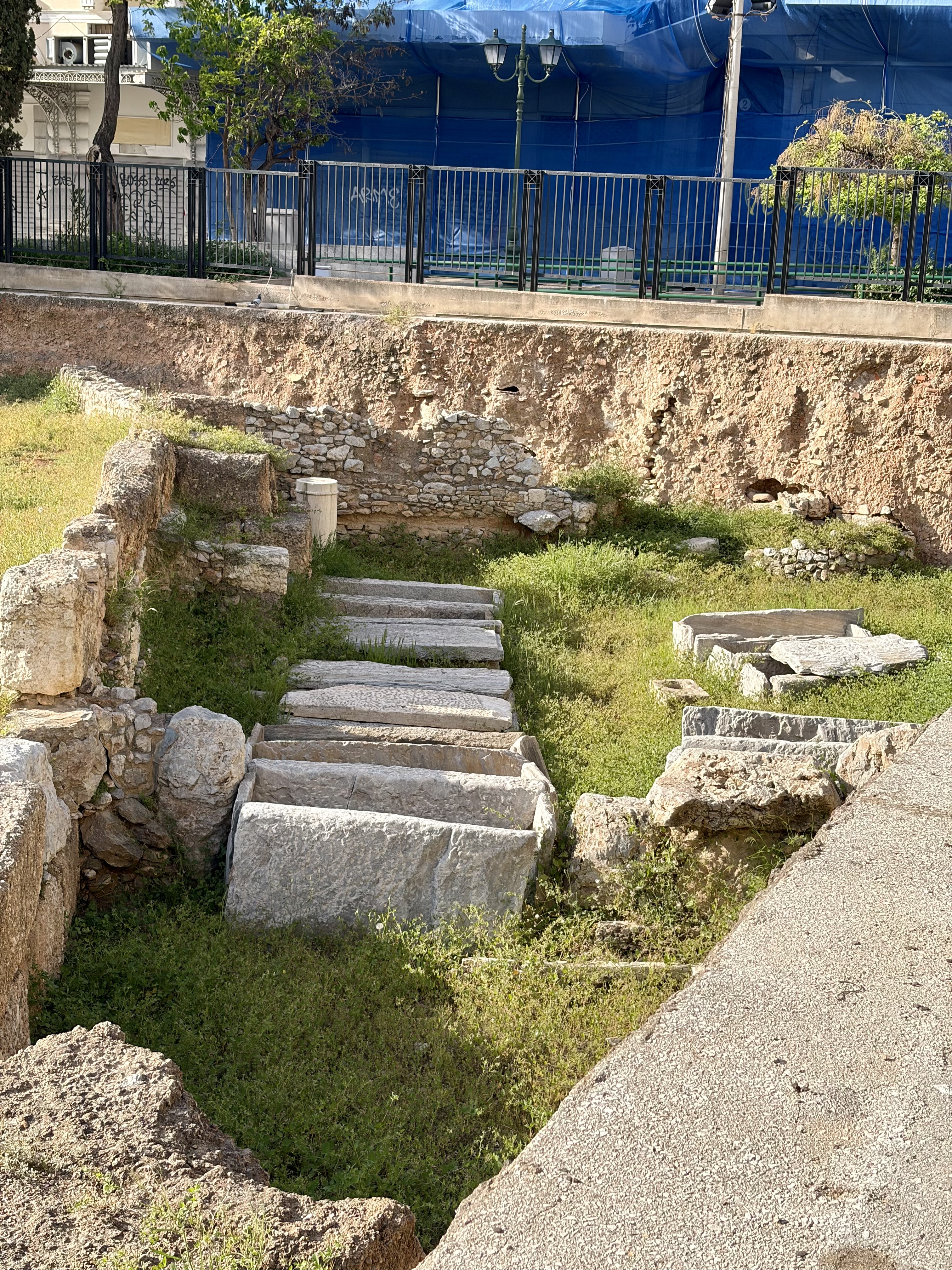
Rounding the corner and turning back, we found a pedestrian walking street (Elou) and ambled past the first of many pocket archaeological sites that grace Athens. Interpretive signs explained the archaeological site of City Hall (Kotzia) Square.
Athens is not all beauty. It is wonderfully imperfect—equal parts ancient glory, urban grit, and lived-in neighbourhood life. And somehow, that contrast makes the city feel even more compelling.
This was not the polished postcard version of Greece we had imagined.
This was Athens.
And it was only the beginning.
What Does “Byzantine” Mean?
You’ll see the word Byzantine everywhere while travelling through Greece—from Byzantine churches and monasteries to Byzantine fortresses, art, and architecture.
So, what exactly does it mean – and why is it important to know?
The term comes from Byzantium, the ancient name of the city now known as Istanbul in modern-day Turkey. Over time, the eastern half of the Roman Empire evolved into what we now call the Byzantine Empire—a powerful civilization that lasted for more than a thousand years after the western Roman Empire collapsed.
The Byzantine world deeply shaped Greece through:
- Orthodox Christianity
- church architecture
- mosaics and religious art
- monasteries
- politics and trade
The empire finally fell to the Ottoman Turks in 1453, but its influence still echoes loudly across mainland Greece today—especially in churches, monasteries, and historic sites like Mystras and Meteora, as you’ll discover in future posts on our journey through the country.
Check off a list of things to do… or wander Athens?
Both!
We started out our first full day in the city on a wandering through the narrows streets and byways sussing out a few of the top sights – but not needing to go inside, instead getting a feel for the ancient layout of Athens for a few hours.
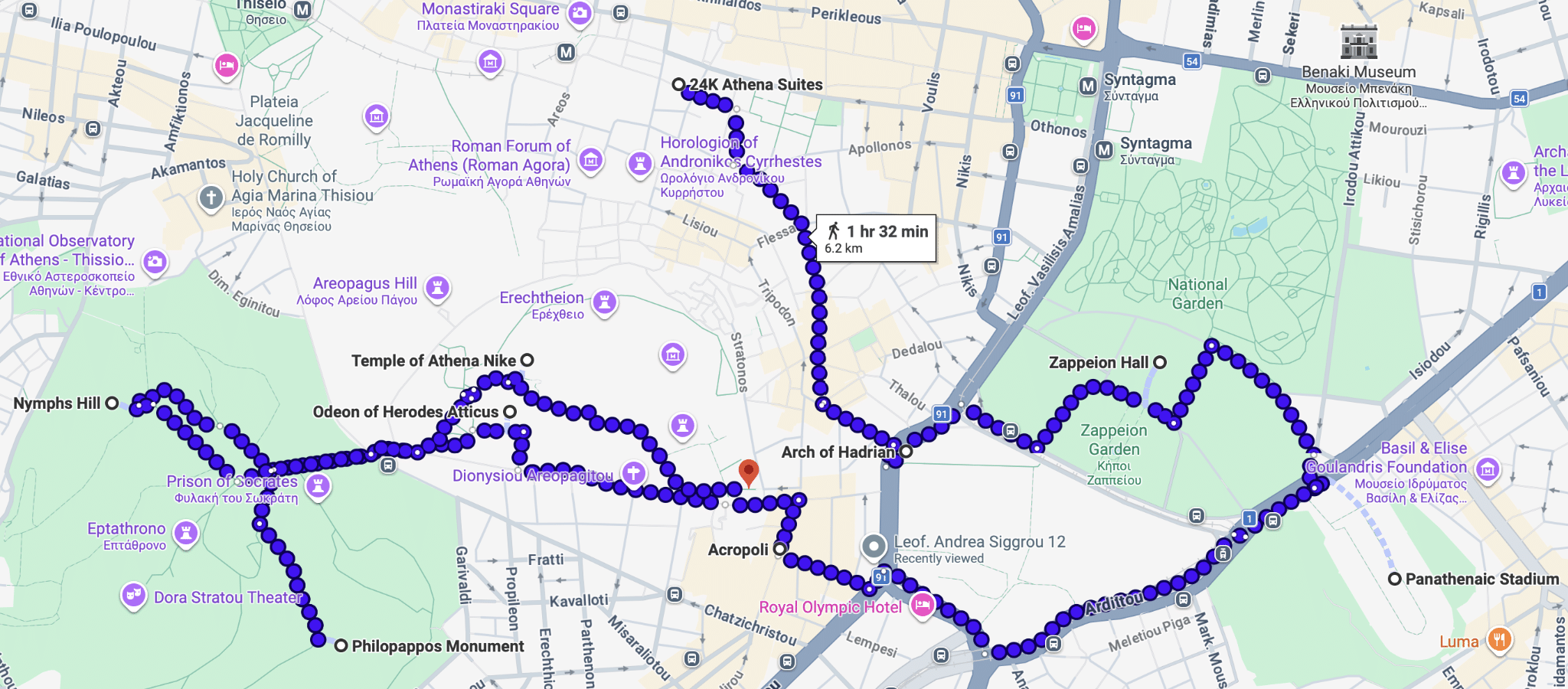
Athens constantly interrupted our hazy route plan—in the best possible way.
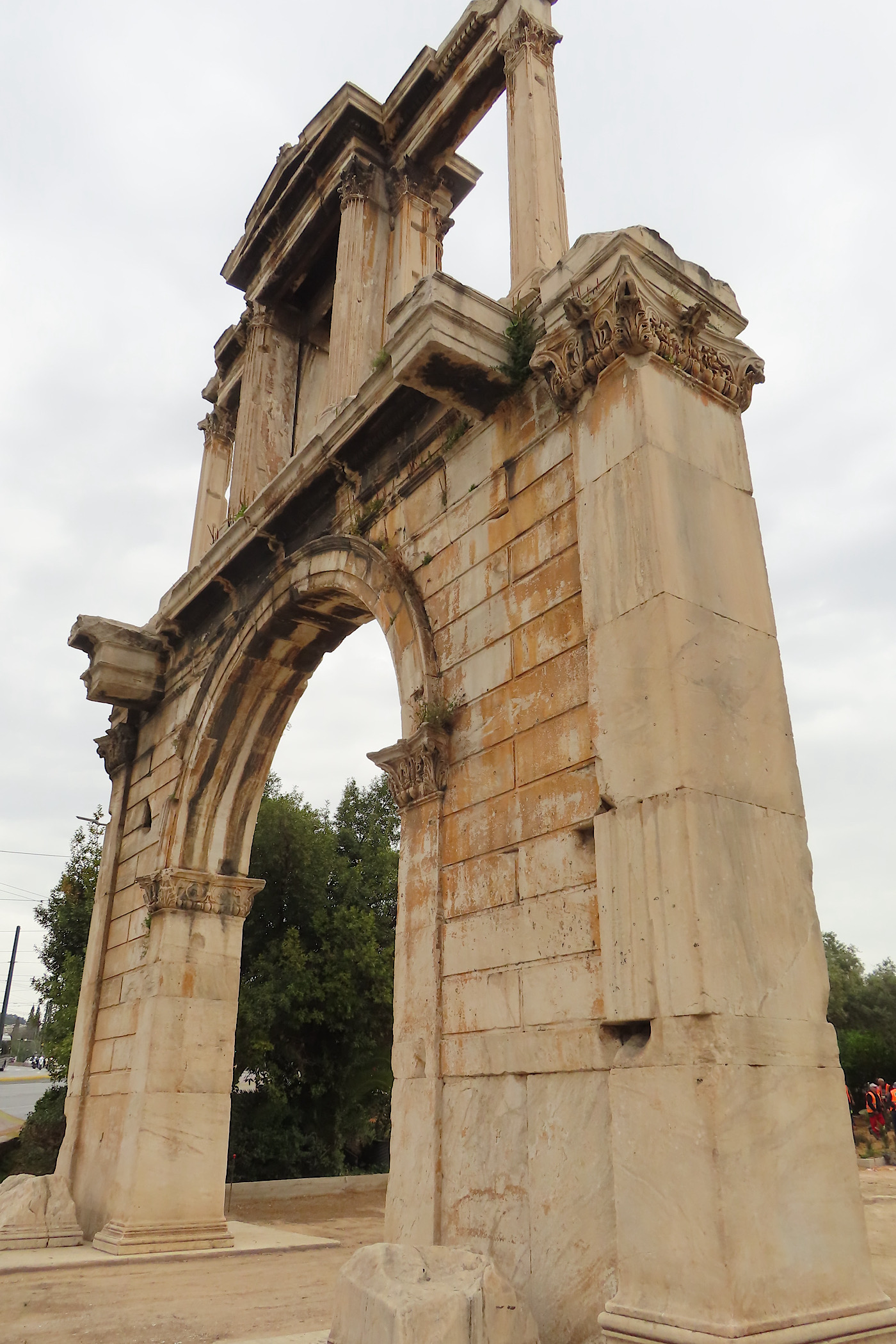
We set out toward Hadrian’s Arch and the Temple of Olympian Zeus, only to veer toward an archaeological excavation currently in progress, wander into the National Garden, and suddenly find ourselves standing before the Panathenaic Stadium.
Working our way around towards the Acropolis, we passed by the museum not ready to head indoors, wandering the south slopes and stumbling upon the Odeon of Herodes Atticus before climbing up past Socrates Prison to the Philopappos (also spelled Filopappos) Monument for views.
Overlooking the Acropolis, we sit and watch steady stream of people climbing stairs to the top of the rocky outcrop. Almost time to head over for our scheduled entry time, we head over.
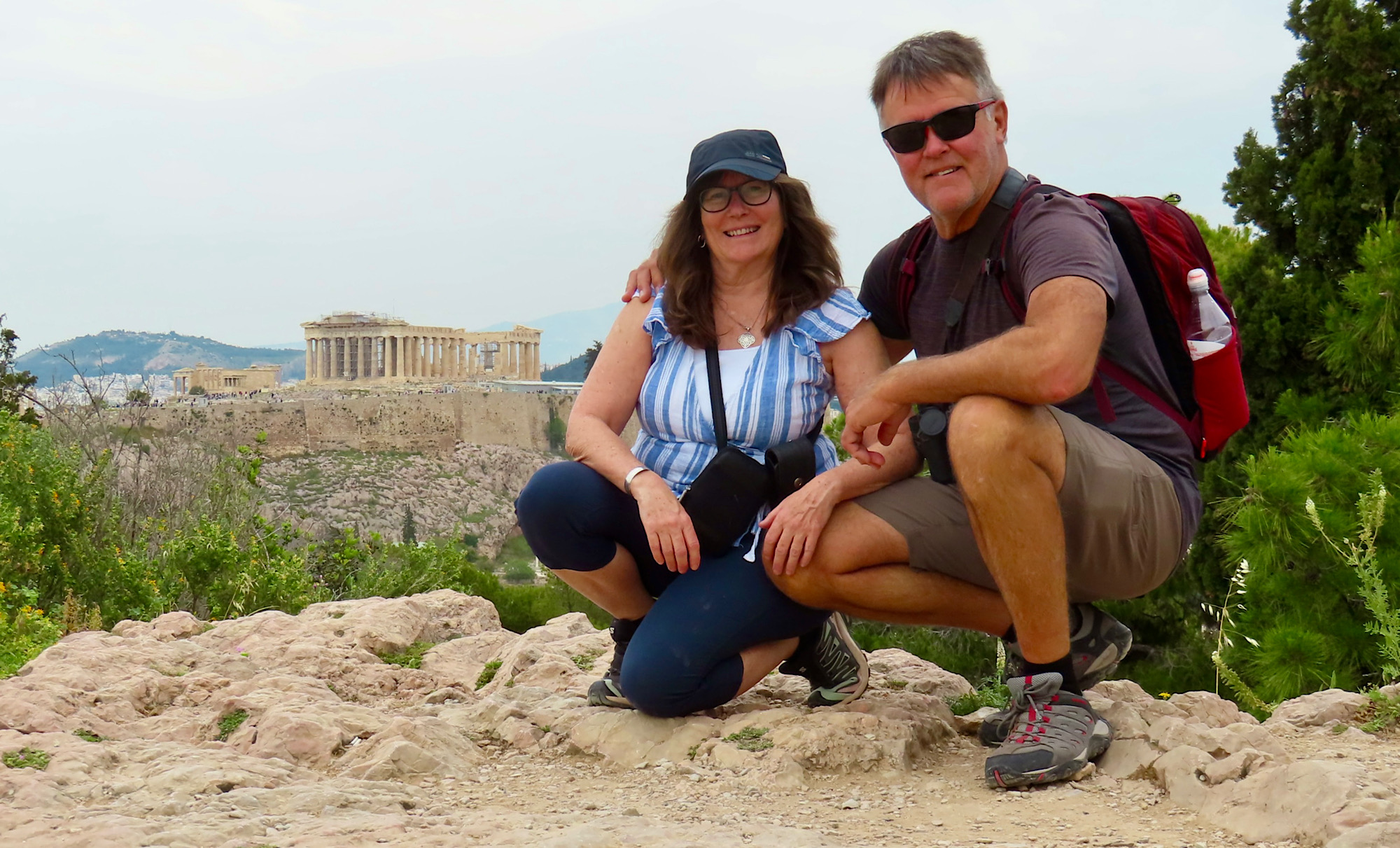
Does the Acropolis Still Live Up to the Hype?
In a word – yes.
As busy as it is, there is magnetism that draws visitors here for a reason. This is the symbol that represents Greece’s history. It’s not everything, but it is a testament to another time that still resonates. The location, the scale of the monument, the knowledge of what once existed on and around this rocky outcrop – it’s all powerful.
But our best decision was slowing down on the descent and exploring what lay beneath the Parthenon.
It was along the south slopes that we discovered the Sanctuary of Dionysus. Founded in the 6th century BC, it was here that Athenians celebrated the god of wine. From ceremonies honouring Dionysos, drama itself was born.
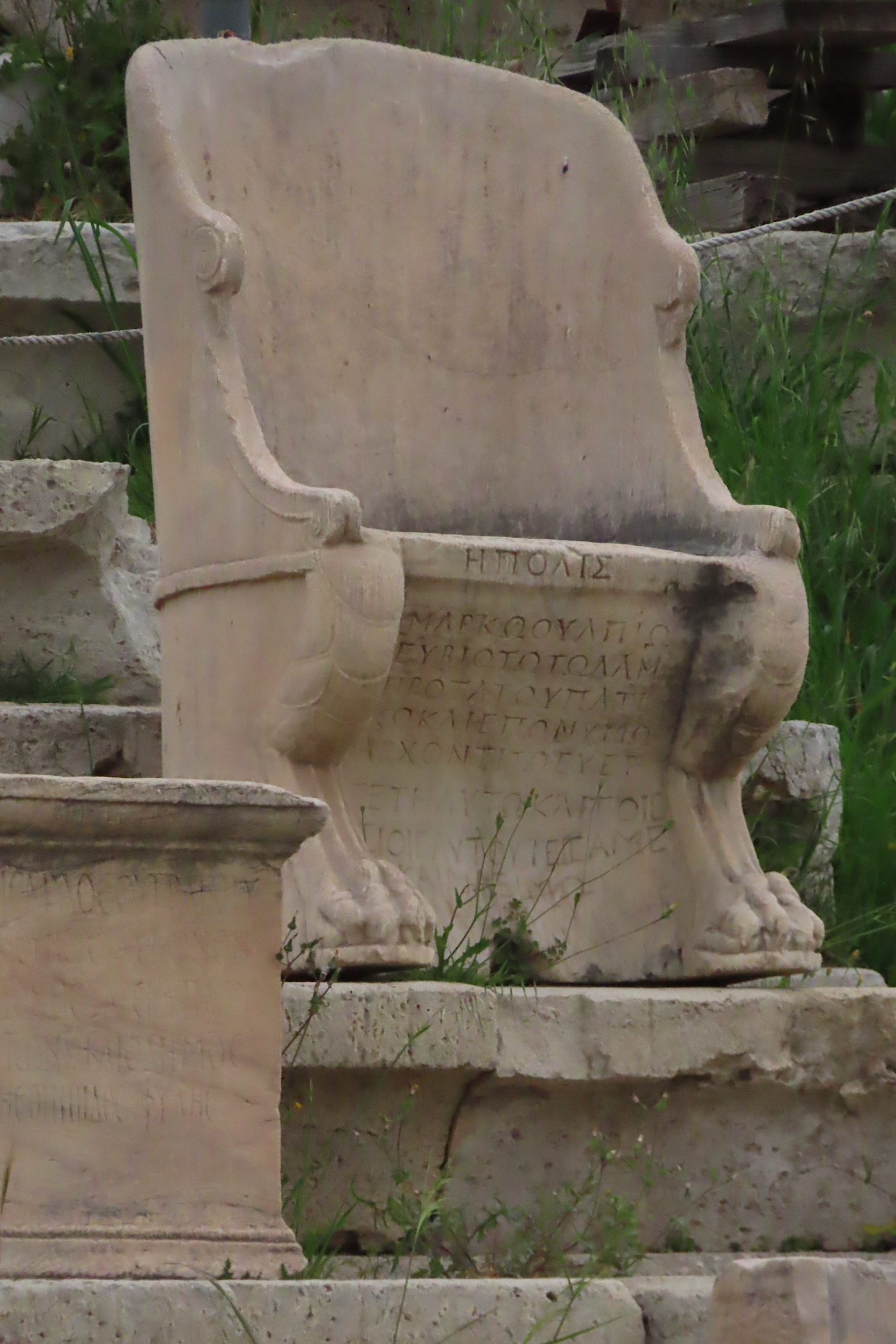
Visit the monuments but don’t overlook the gems hidden below.
Acropolis Travel Tips: How to Experience Athens’ Most Iconic Site Without Feeling Overwhelmed
Visiting the Acropolis is one of the most unforgettable things to do in Athens, Greece—but a little planning goes a long way toward making the experience smoother and far less stressful.
Buy Tickets in Advance
In previous years, visitors could purchase a single combo pass covering multiple archaeological sites in Athens. As of early 2025, the official €30 Athens combo ticket has been discontinued, and tickets are now purchased individually for each site.
There are still third-party “combo” packages available online that bundle the Acropolis with museums, audio guides, or skip-the-line access, but we didn’t use any of these ourselves and can’t personally recommend them.
For the most reliable experience, purchase official tickets directly through the Hellenic Heritage e-ticket website.
Timed Entry Is Mandatory
Timed-entry tickets are required for all visitors. Entry is permitted only during your selected time slot, with a small grace period before and after your scheduled time.
We’d strongly recommend arriving at least 20–30 minutes early, especially during busy periods, as lineups can form at the entrance gates.
Opening hours vary by season, but the site generally opens around 8:00 a.m. and closes between 6:00 and 8:00 p.m. Always double-check current hours before your visit.
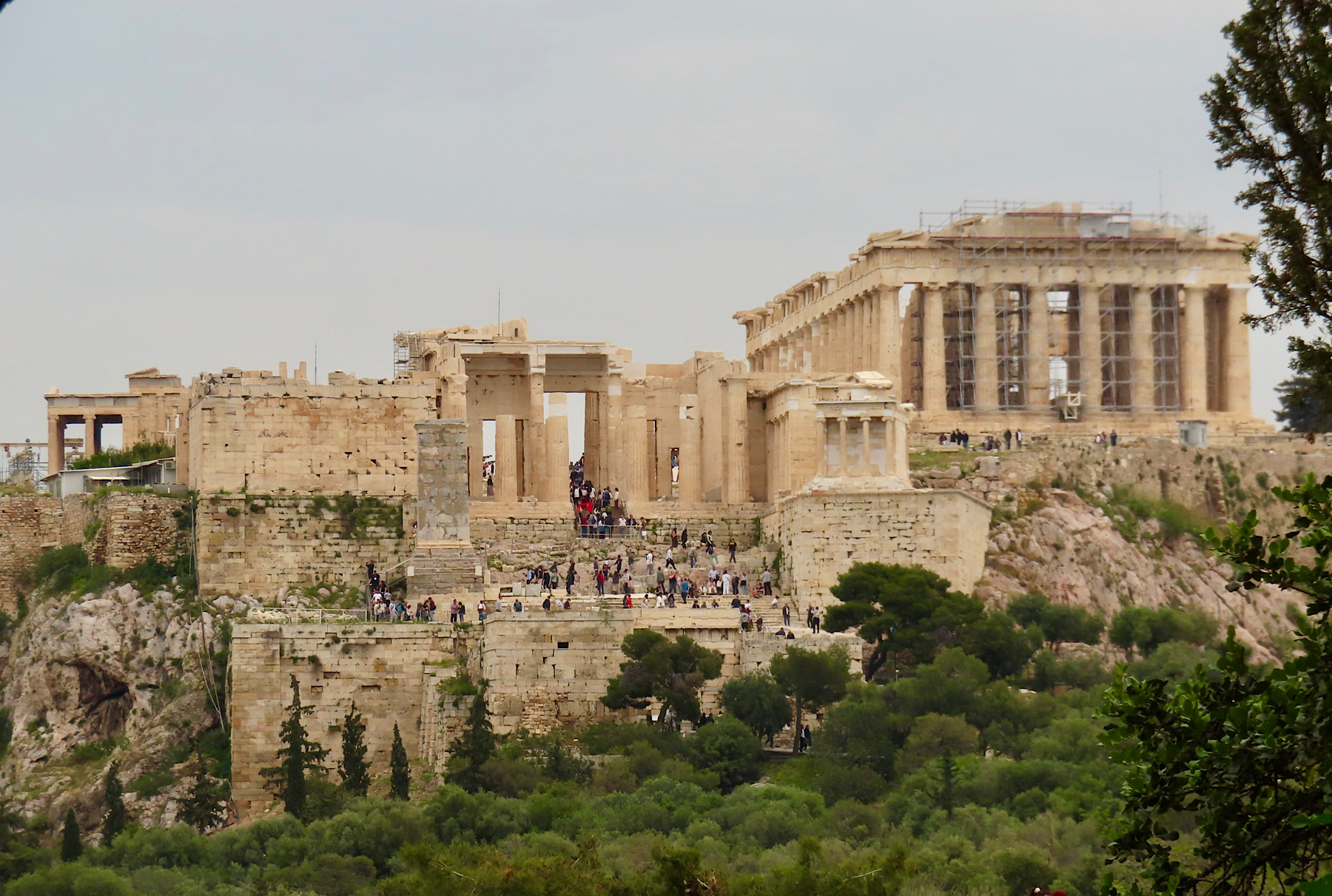
Early Morning or Late Afternoon?
If you can secure them, early morning tickets are ideal for smaller crowds and cooler temperatures. Unfortunately, those slots book quickly—we missed out ourselves.
Late afternoon visits are another excellent option, especially if you’d like to see the warm evening light settle across the Parthenon and surrounding hills.
Midday visits are the toughest. Shade is extremely limited, and temperatures can climb quickly, especially in summer.
Which Entrance Should You Use?
The main entrance to the Acropolis is located on the West Slope near Theorias Street.
There’s also an alternative entrance at the South Slope near Dionysiou Areopagitou pedestrian street. This entrance provides easier access to sites like:
- the Theatre of Dionysus
- the Odeon of Herodes Atticus
- the southern slopes of the Acropolis
If you enjoy wandering and exploring beyond the main monuments, this approach feels far less rushed.
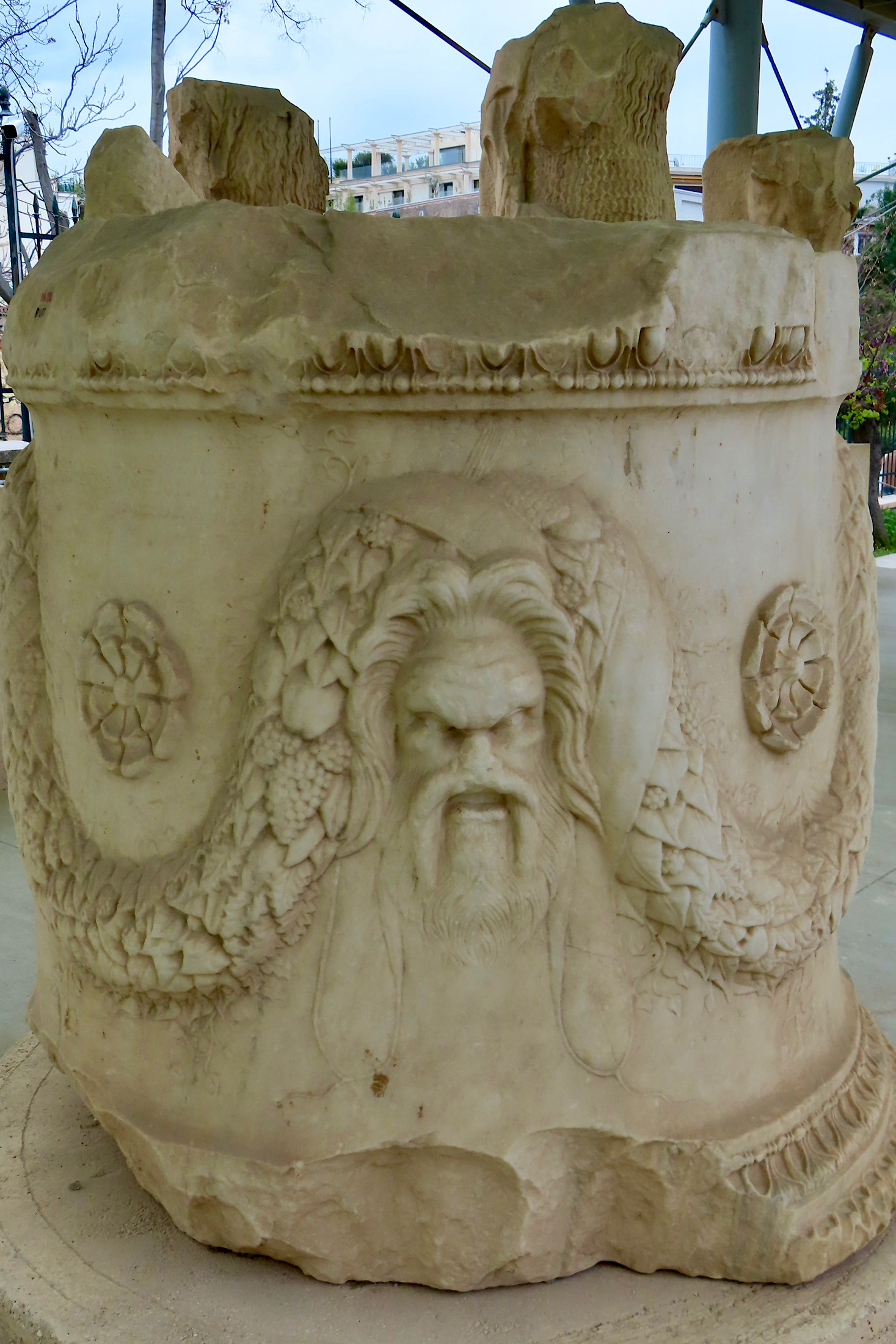
One Important Thing to Know
Tickets for the “Acropolis and Slopes” are single-entry only.
Once you leave the archaeological site, you cannot re-enter using the same ticket—something many visitors don’t realize until it’s too late.
Final Tips
Regardless of when you visit, you won’t have the Acropolis to yourself.
And honestly? That’s part of the experience.
People travel from all over the world to stand beneath the Parthenon. Rather than fighting the crowds, we found it more rewarding to embrace the shared sense of awe surrounding one of the world’s great historical sites.
If you choose to wander before the visit, make sure you wear good shoes, stop for breaks when thirst or hunger strikes… and don’t follow in our footsteps if it means you won’t enjoy this monumental experience.
One final note: stay behind all barriers while exploring. Guards throughout the site monitor visitor movement closely—and yes, many carry whistles and aren’t afraid to use them.
Exploring the Ancient Agora: Where Athens Started to Feel Human Again
After a day spent among the monumental myths of the Acropolis, we started our third morning in Athens with an early entry to the Ancient Agora.
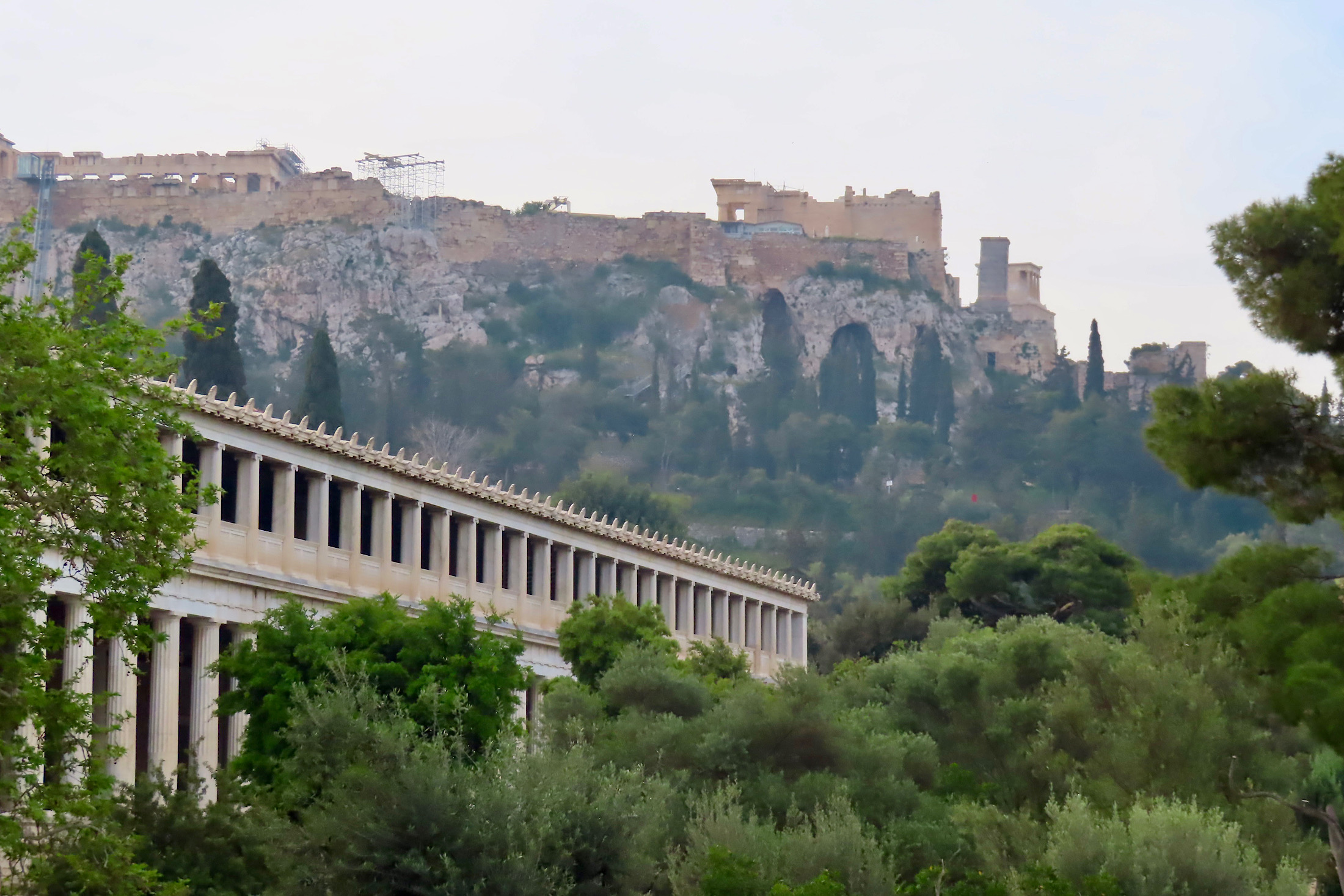
“Agora” means “gathering place” and for Athenians from the 6th century BC, it was the hub of daily life. So much more than a marketplace, it was here that citizens met with politicians and lawyers and theologians and philosophers.
Once the bustling heart of Athens, the Agora felt remarkably peaceful in the early morning light. For a few minutes, we were the only ones standing in front of the Temple of Hephaistos – the most intact temple in Athens.
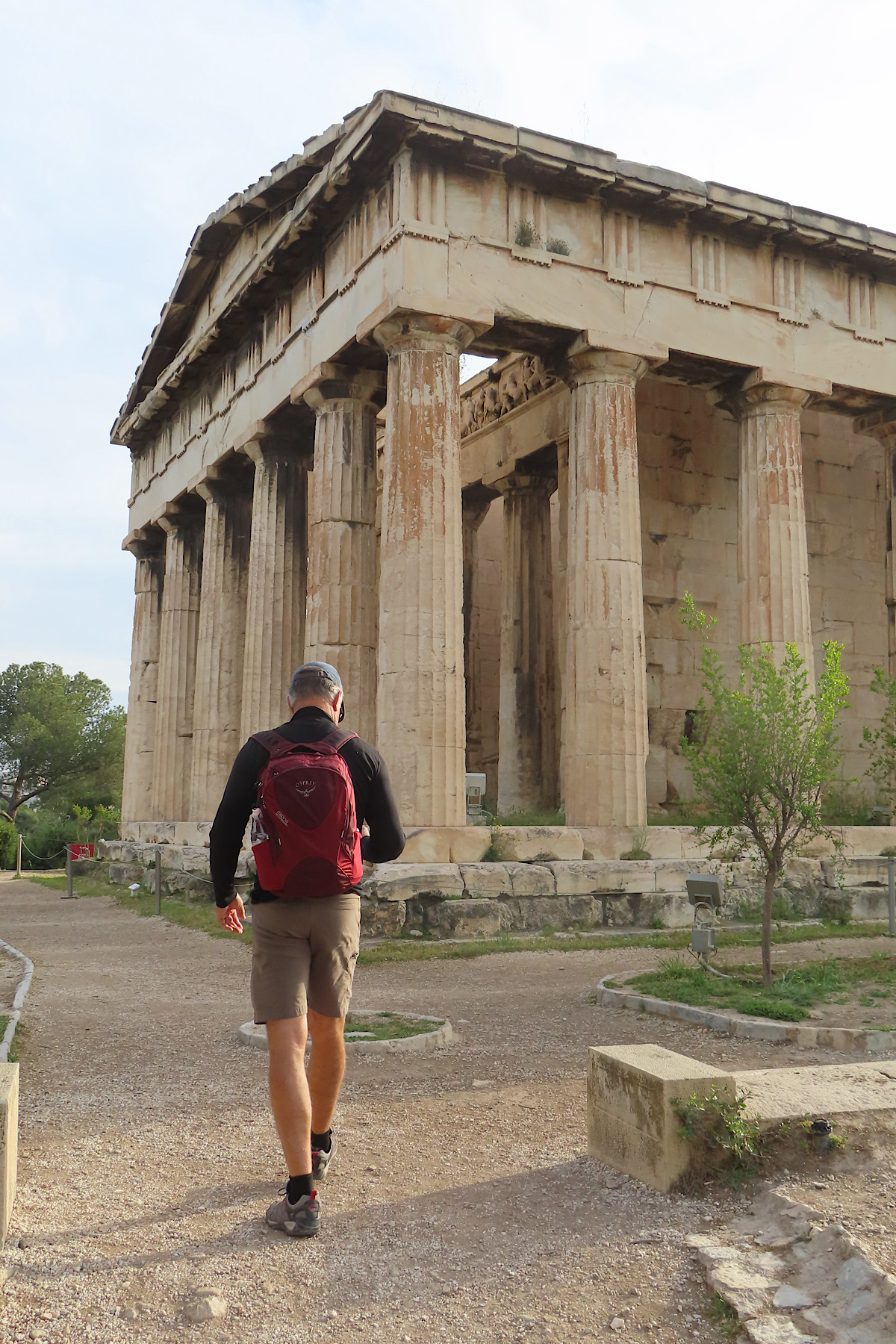
We savoured the juxtaposition of our previous day’s adventure. Our pace was relaxed, following shaded paths as we explored the past investigating ruins integrated into the landscape. Here, history began to take shape and feel personal.
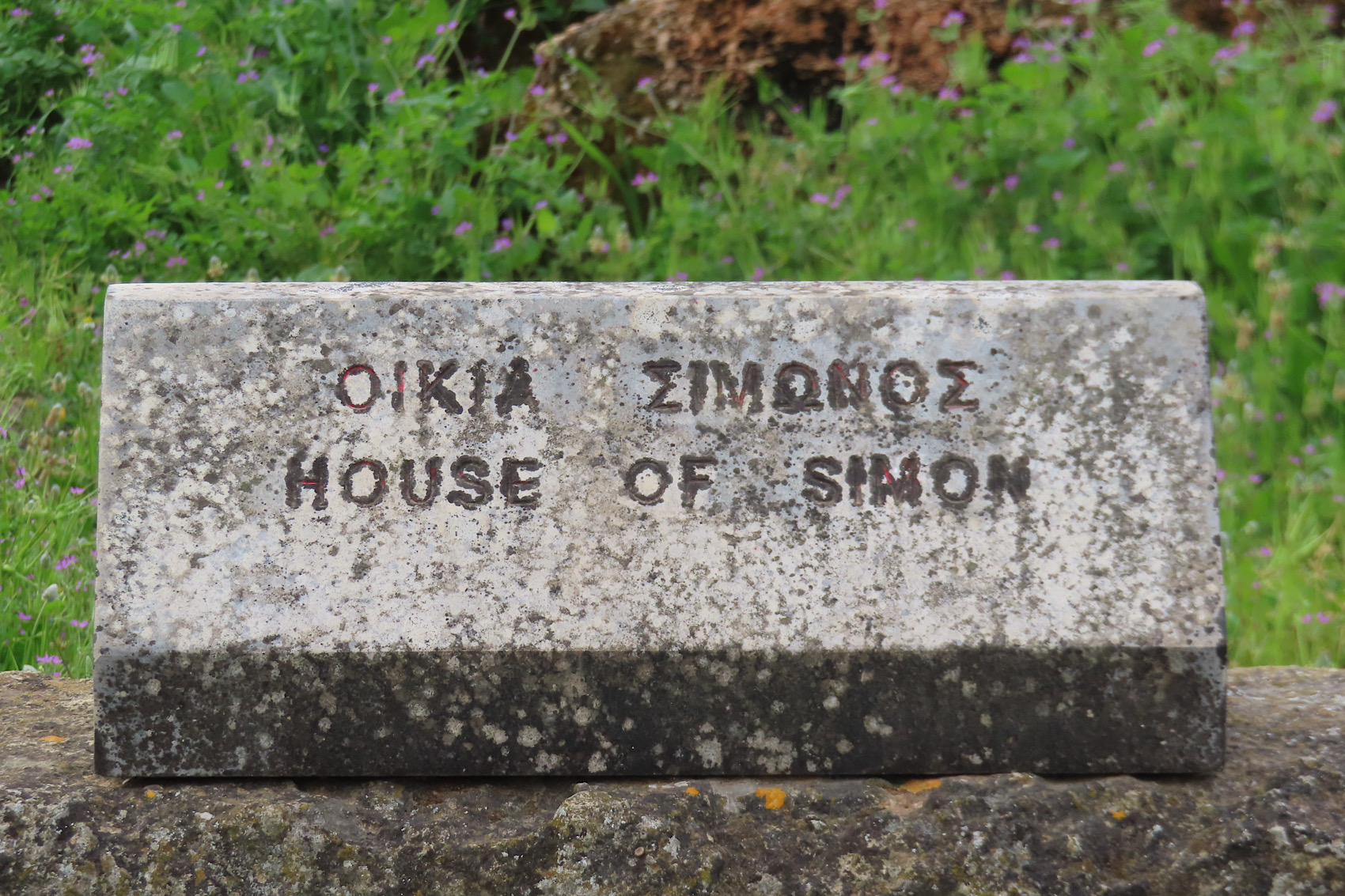
There are bone eyelets and hobnails lying in a case in the museum. They were from Simon the Shoemaker’s shop. There is text inscribed in a marble slab outside from Simon. He could read and write – an educated tradesperson. Socrates used to stop by his shop.
Near the Odeion of Agrippa – one of the countless building that once graced the site – stood enormous statues of Giants and Tritons—snake-tailed and sea-tailed figures that once decorated the grand façade.
Even broken and weathered, they still feel imposing today.
As we wander the grounds, we spot a tortoise quietly munching on the grass. Life goes on.
Heading for the Hills
That afternoon, we decided to hike for something other than history. We wanted perspective. We’d seen Lykavittos Hill on our map and knew that we’d get a bird’s eye view of the city – so off we went, meandering through the streets as we worked our way to the base of the hill.
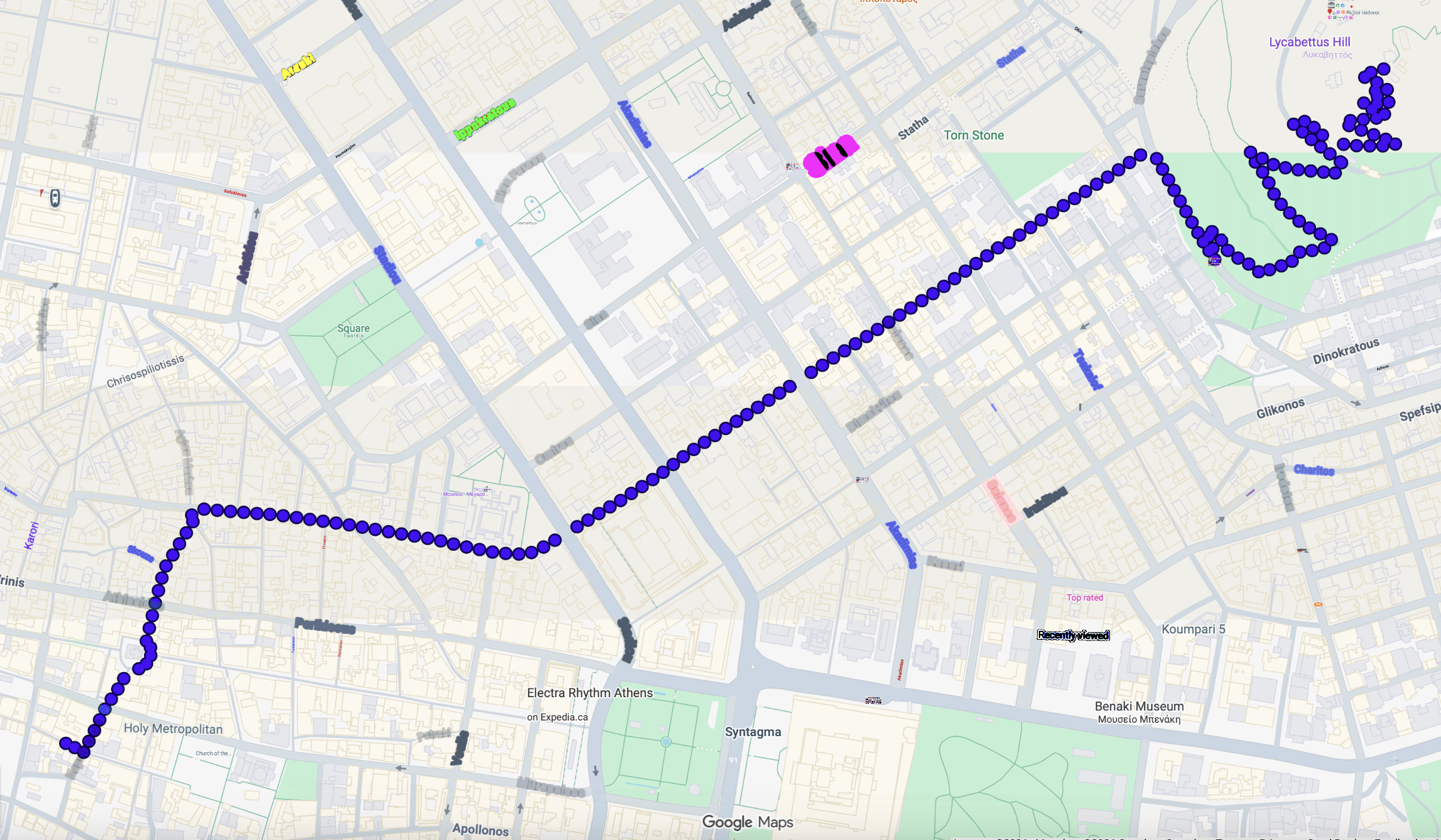
Using AllTrails and GoogleMaps, we found our way to the bottom of the hill and picked a trail to begin our ascent. It was a little overgrown, but we made our way around the stinging nettle and found the main wide path up!
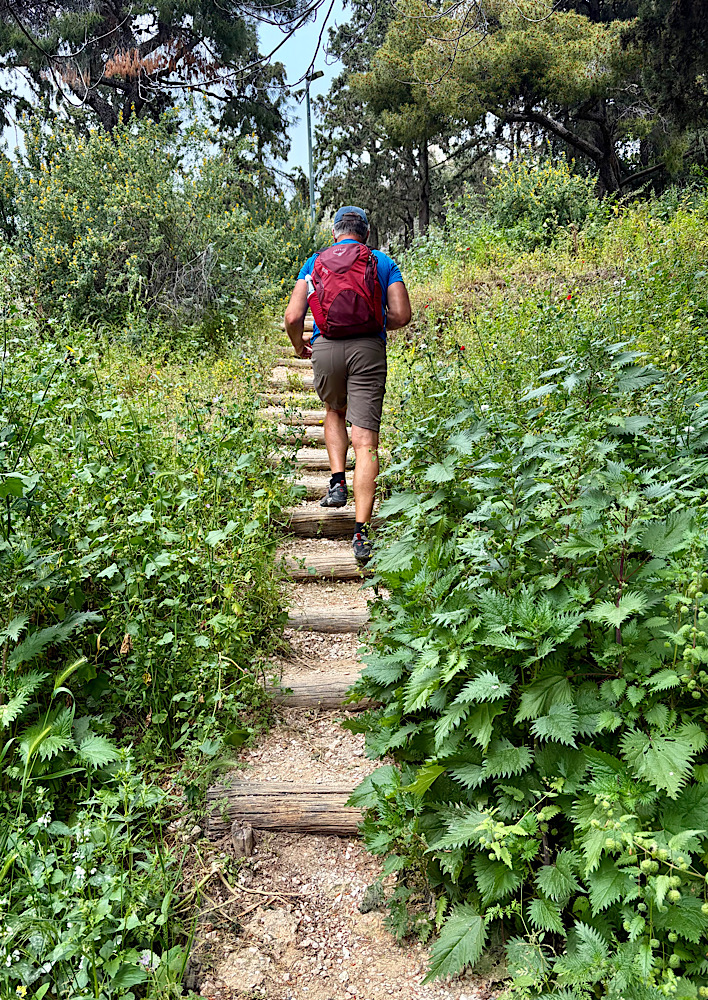
Up, up, up. Cactus clung to the hillside as the trees fell behind near the summit. Suddenly, crowds appeared near the summit. We’d seen only a handful of hikers on the trail up. That’s when we discovered you could either hike Lykavittos Hill – or take the funicular!
It didn’t matter. The city unfolding below and around had us realizing Athen’s scale. We could see the Acropolis and the Agora, our walking route, a small portion of the Aegean Sea… and mountains surrounding the city.
Did you know active adventures are good for you for multiple reasons?
Here are 10 benefits of getting active outside!
Suddenly, Athens felt less like a destination and more like the gateway to a much larger adventure. What lies inland?
We came for the Acropolis, the Parthenon, and the Greece we thought we knew. But now we were thinking about mountain roads, hidden ruins, cliffside monasteries, and the landscapes waiting beyond the city.
When You Go: Practical Tips for Navigating Athens
Getting Around Athens
The metro from the airport to Monastiraki cost 9 Euros, one way. It’s about a 45 to 50-minute ride and can be crowded. While we kept a close eye on our belongings, we never had any issues.
Where We Stayed
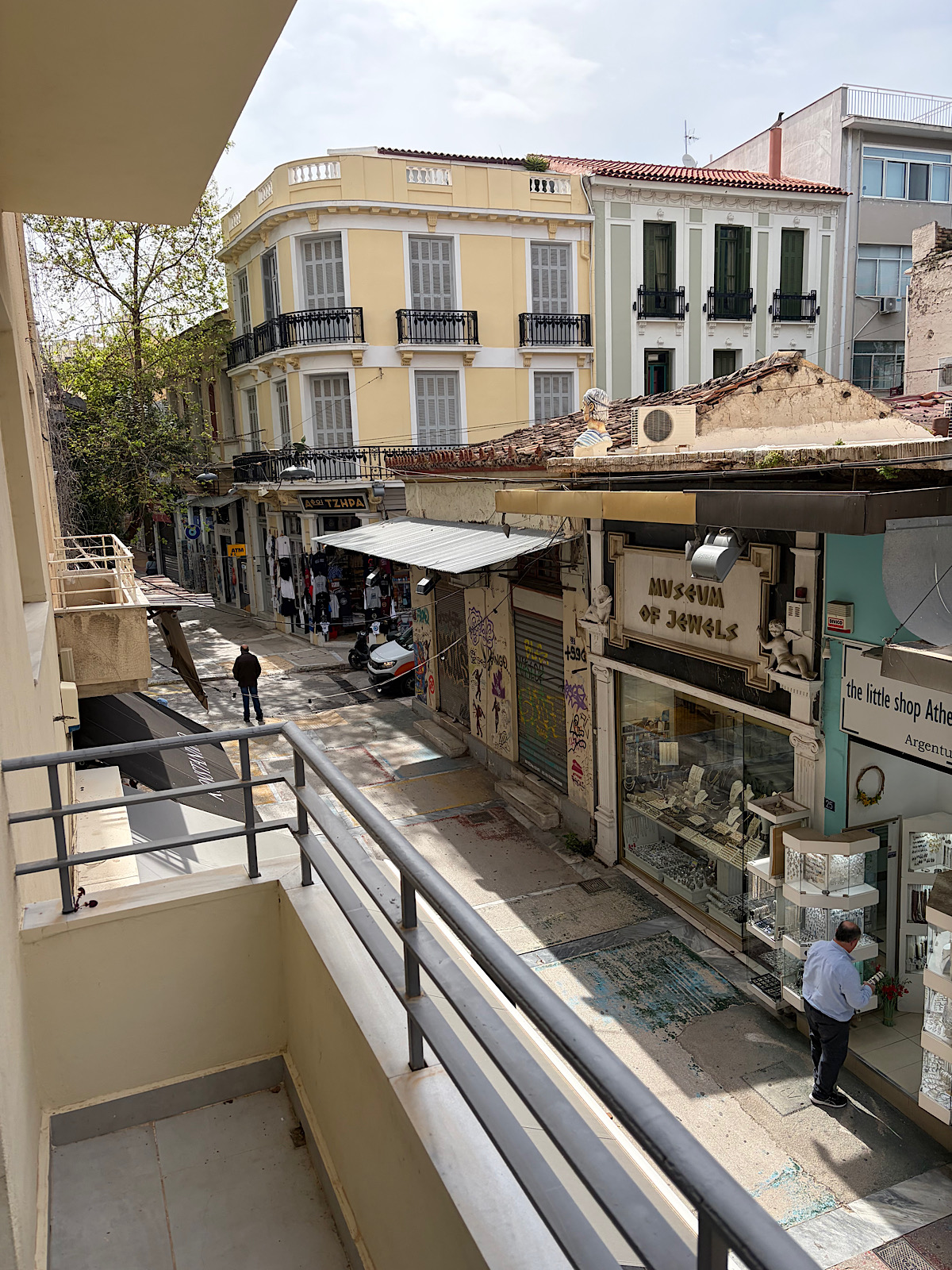
We stayed at 24K Athena Suites – conveniently located to the metro station, historic sites and restaurants in Monastiraki. The mini kitchenette was a boon for breakfasts.
Acropolis Booking Tips
Buy timed entry tickets in advance through the Hellenic Heritage site. It saves time waiting in line at the site and assures entry for your preferred time.
We toured on our own, but to get more out of your visit, consider booking a guided visit.
Walking and Weather
Spring weather is perfect for exploring the city as temps were mainly in the high teens. The hike up Lykavittos Hill was warmer, so we’d suggest avoiding midday heat and staying well-hydrated. We did stop for a beer on the way down – at 8 Euros, it was a bit steep, but the views were worth the price.
Good footwear is a must – there is a lot of up and down, pavement to cobblestone to gravel paths, and slippery marble in Athens.
Why We Delayed Picking Up Our Rental Car
Delaying pickup of your rental car until departure day makes perfect sense, as Athens is completely walkable and public transit is efficient and affordable. Parking is almost non-existent, and the city’s narrow streets and heavy traffic can be intimidating. Honestly, we wouldn’t want to drive here even if the car were free.
Athens introduced us to the icons of Greece, but picking up a tiny rental car and driving toward Delphi—toward mountain roads, ancient sanctuaries, and a version of Greece we hadn’t yet imagined—was when the adventure truly began.


Leave a Reply