Join us as we paddle into the landscape that inspired the Group of Seven — a place of white quartzite ridges, wind-swept pines, and glassy lakes. Our canoeing trip to Killarney Provincial Park didn’t unfold the way we planned… but it became something even better: a reminder that adventure doesn’t always follow the route you map.
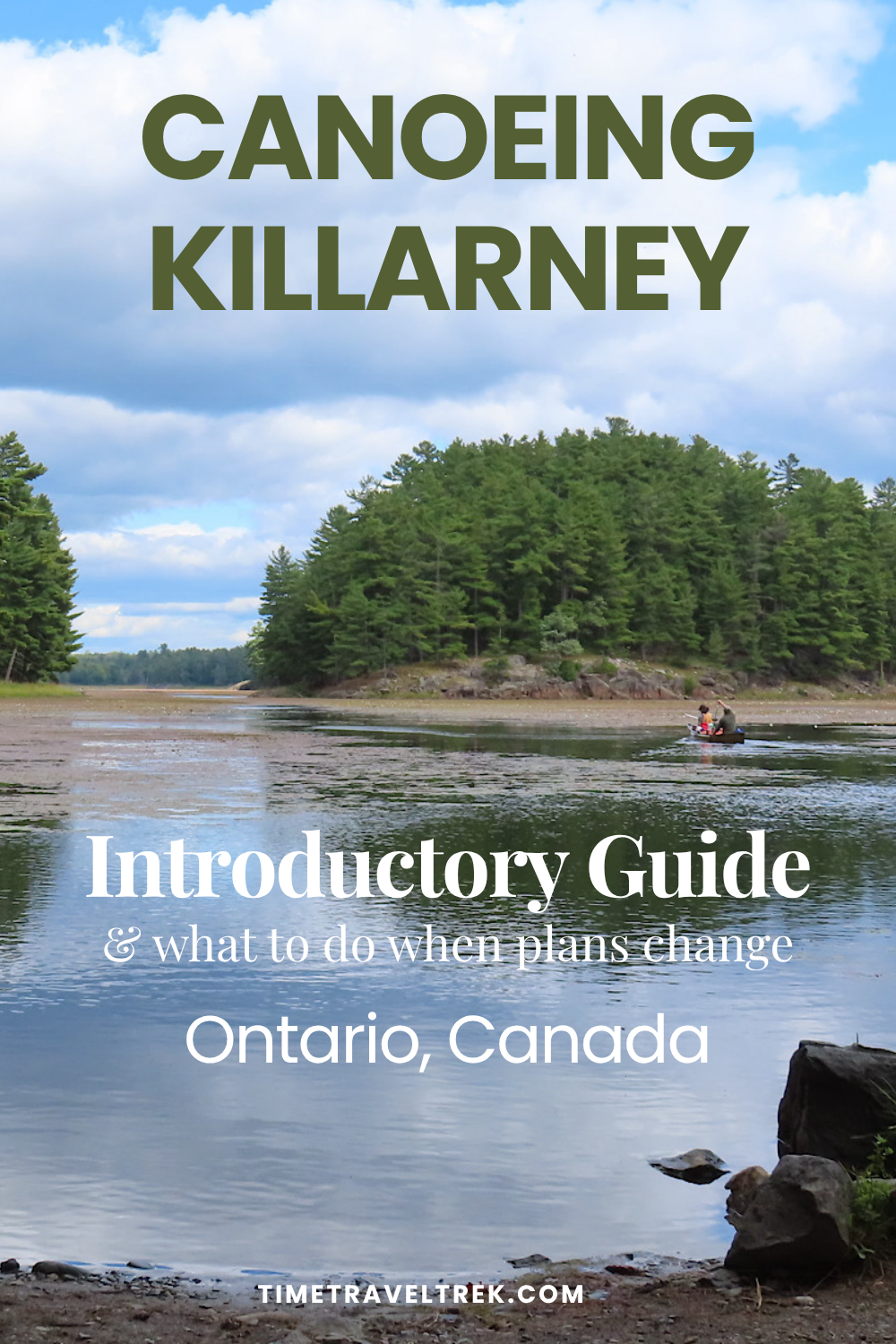
This post is a continuation of our series: Ontario by Canoe.
Summer’s coming, start planning your Ontario paddle adventures today!
Table of Contents
Canoeing Killarney Provincial Park: The Dream
There are three Ontario paddling adventures that have long sat at the top of my bucket list: canoeing Killarney, paddling Algonquin, and venturing deep into Quetico.
Killarney’s pull? I couldn’t quite explain.
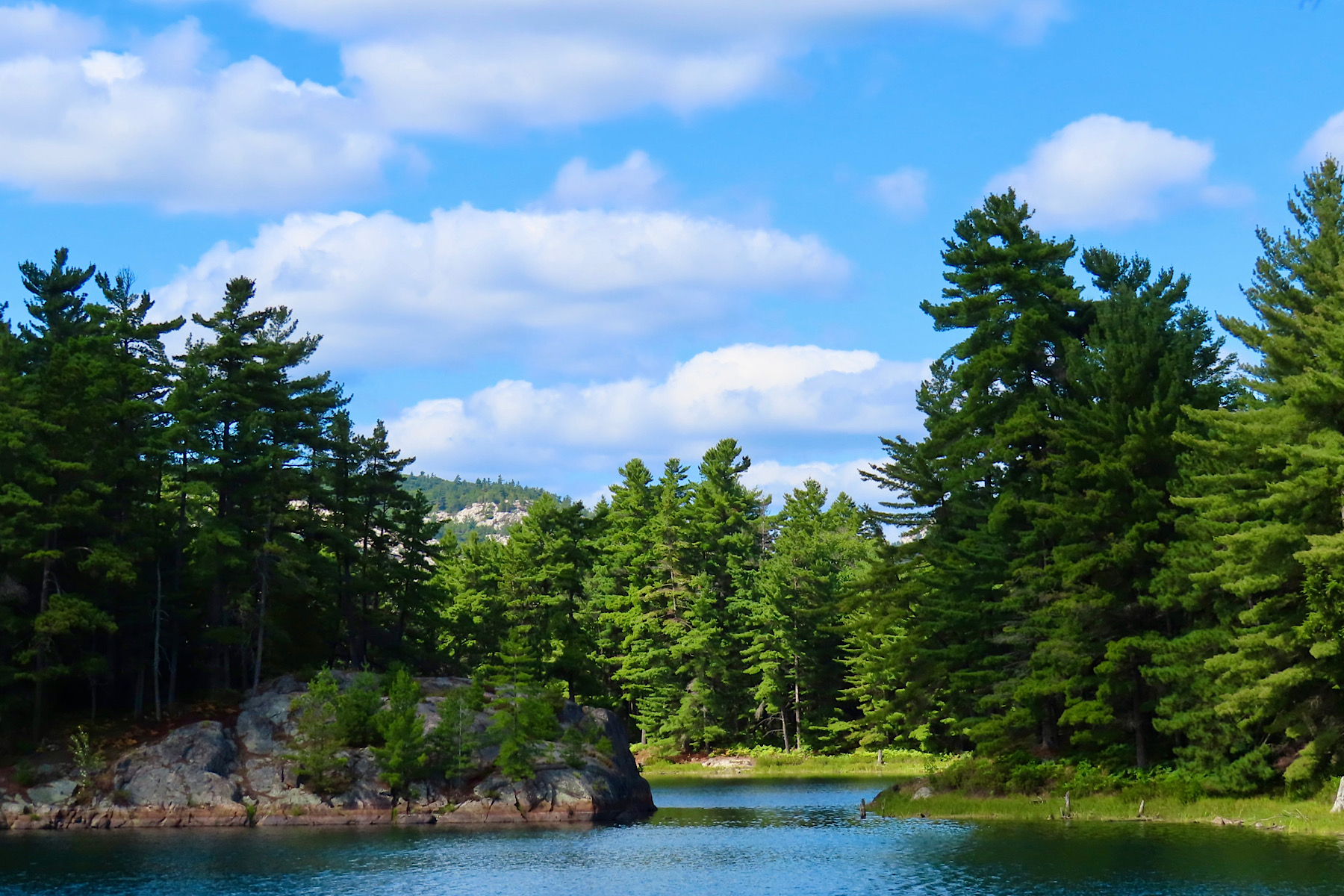
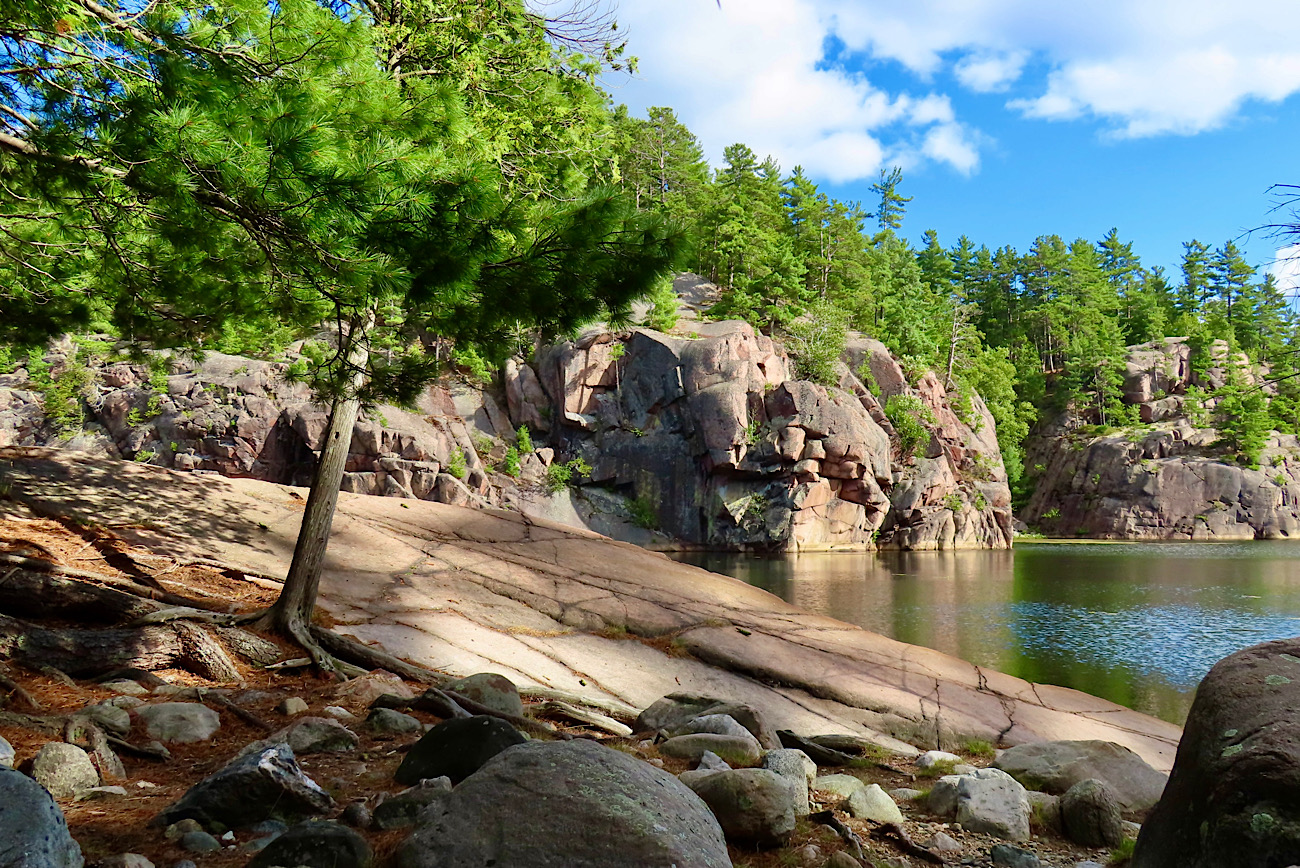
Maybe it’s the landscape — those iconic white quartzite hills rising high above colourful lakes. Or maybe it’s the art. The Group of Seven painted here, capturing windswept jack pines and the dramatic contrast of rock and water. One image in particular — red granite dipping into still water — has stayed with me for years.
Located on Georgian Bay in Northern Ontario, Killarney Provincial Park has more than 30 lakes to paddle with close to 60 backcountry campsites connected by portage routes that range from short and gentle to rugged and remote. The park itself owes its protection in part to artists from the Ontario Society of Artists, who advocated for its preservation in the early 20th century.
It’s a paddler’s dream.
The Reality
But here’s the thing about dream destinations — everyone else has the same idea.
Ontario Parks book up fast in summer, and between prepping for our 8-day Quetico trip and general life, we left our Killarney planning a little too late. By the time we checked availability, most backcountry canoe routes were fully booked.
It looked like a bust.
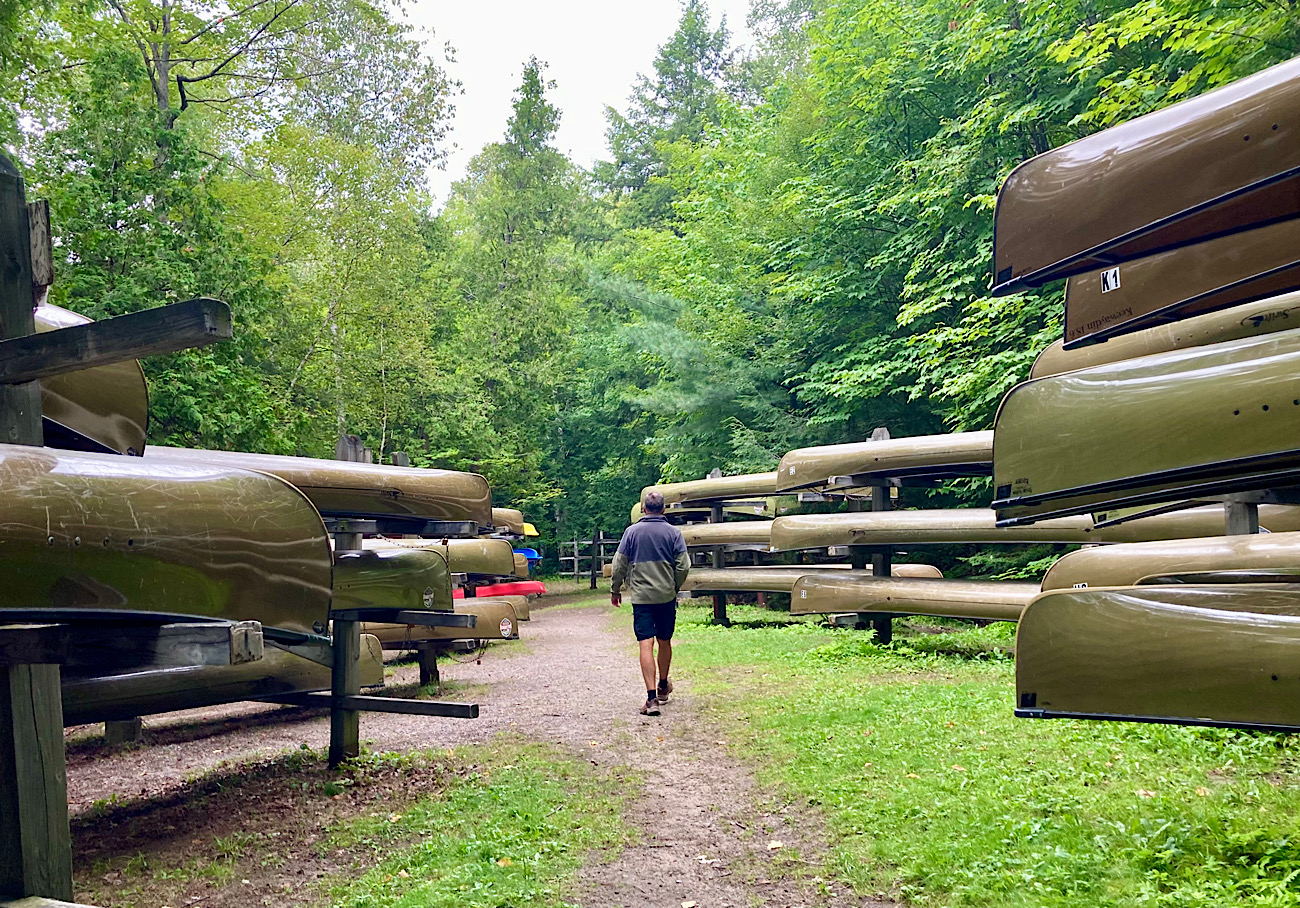
Still, Gear Guru kept refreshing the reservation system (a true paddler’s skill), and eventually, two nights opened up on Carlyle Lake. Not ideal, but enough for a 3-day/2-night trip. We grabbed it.
Plans came together quickly:
- Night before and after at Point Grondine Park (on Killarney’s eastern edge)
- Paddle into Carlyle Lake
- Finally check Killarney off the list
And then the wind came.
Not just a breeze — the kind of wind that turns open lakes into whitecaps and makes even experienced paddlers pause. After some honest assessment, we made the call: cancel the backcountry trip.
It wasn’t worth it.
Still… I wasn’t ready to give up on Killarney completely without putting a paddle in the water.
A Change of Plans: Day Tripping Killarney
With our original plan scrapped, we pivoted.
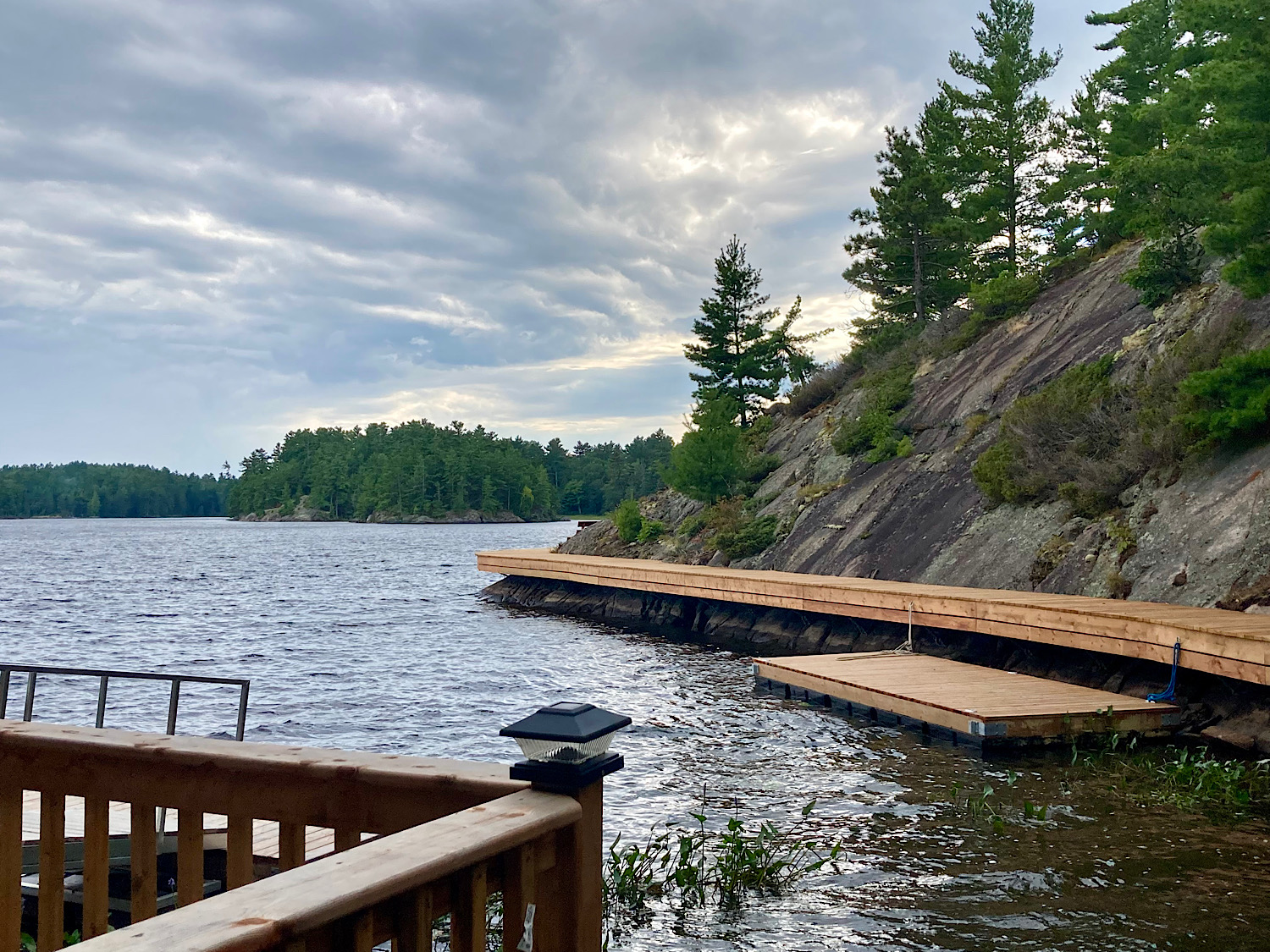
We kept our first night at Point Grondine Park, an Anishinaabek-run park with deep cultural roots and a quieter feel than Killarney. From there, we secured two nights at Rocher Rouge campground in the town of Killarney — a rustic, no-frills spot that slowly grew on us.
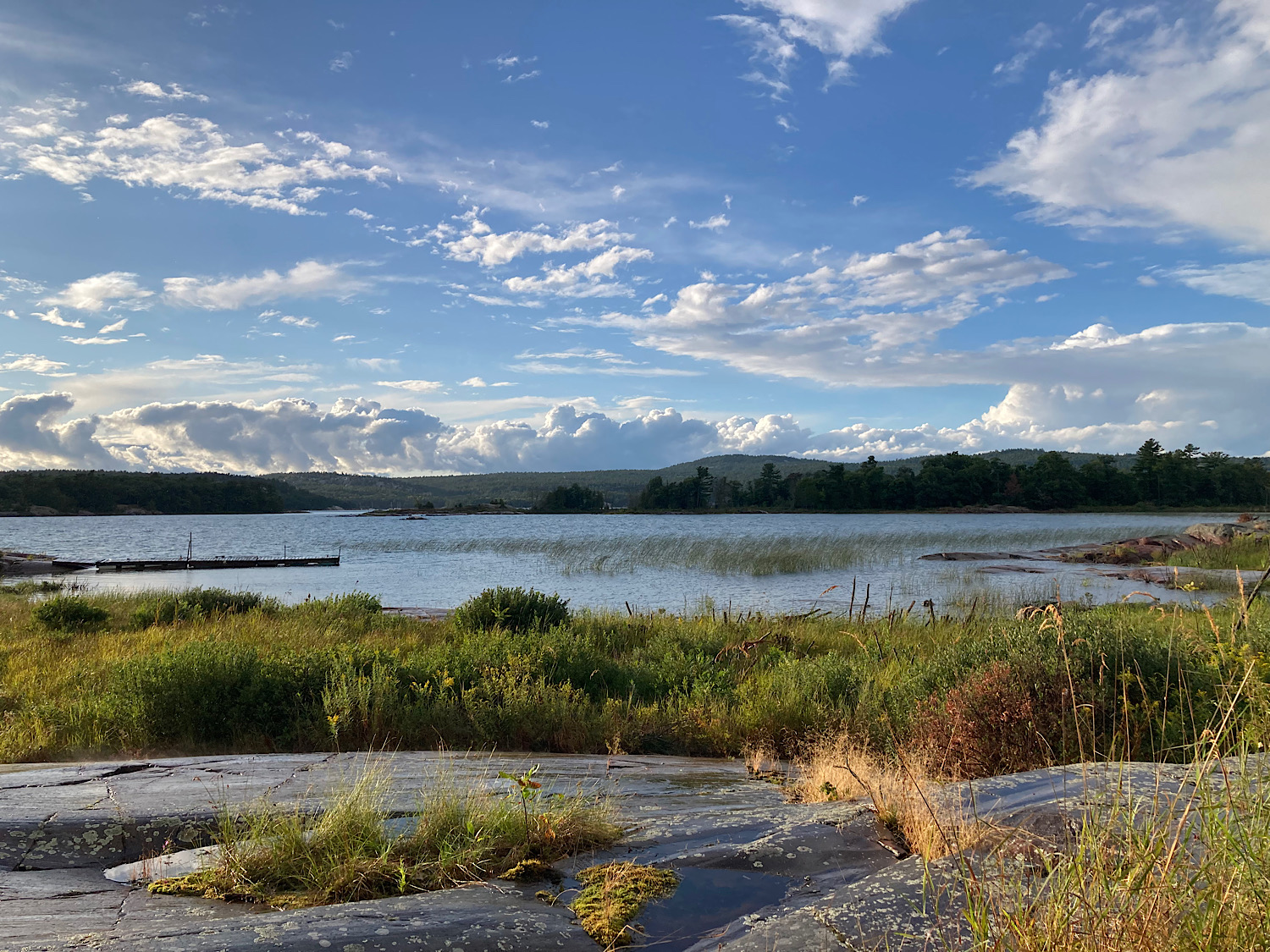
That first afternoon at Point Grondine, we wandered the trails and discovered something that immediately reframed the experience.
The Kaa-Gaa-Genhs Water Trail — a network of routes used by the Anishnaabek since time immemorial — winds through inland lakes and along the coast. Interpretive signs spoke of pictographs, harvesting grounds, and traditional travel corridors. After seeing the images at Agawa Rock, I was already tucking this adventure away for another trip.
These images from the past stand as a visual reminder: these waterways weren’t just routes for recreation. They were — and still are — living pathways of culture and connection.
Paddling George Lake
The next day, we headed into Killarney Provincial Park.
A quick stop at the visitor centre for a day pass (and to book a hike up The Crack for the following day), and we found ourselves at George Lake — the park’s main access point.
We hadn’t planned to paddle that day… but the lake was right there.
So, we went for it.
Rain gear on, we carried the canoe down and slipped into the water just as a light drizzle began. And then it stopped. The clouds broke and the sun came out. The call of an Eastern Wood-Pewee echoed through the trees as we explored the shoreline, weaving in and out of quiet bays.
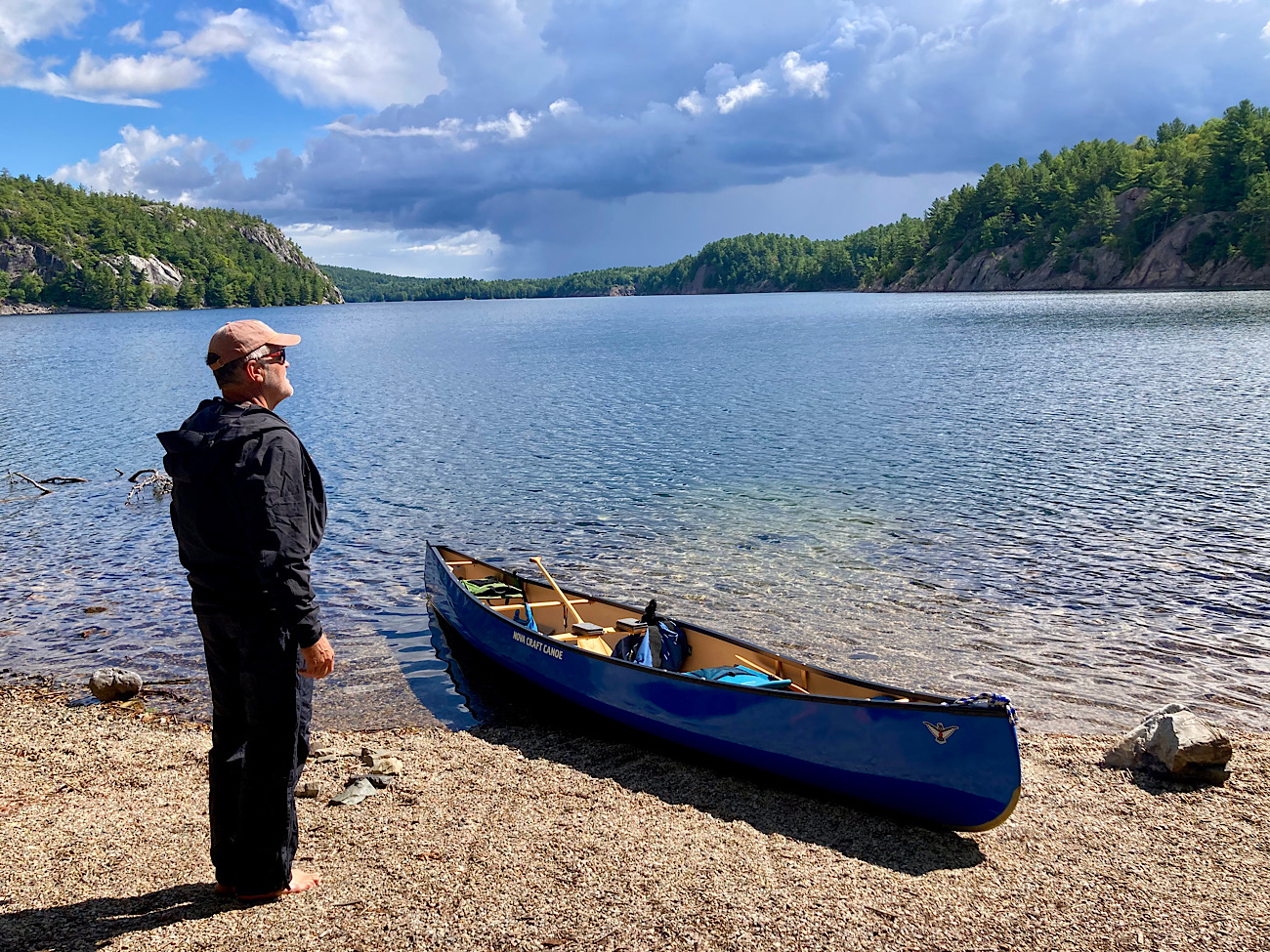
Intense but short-lived downpours came and went throughout our time on the water. At one point, we huddled beneath a tall spruce as rain tapped steadily on the lake’s surface. Then the clouds would part again, revealing clear water and empty campsites along the shore.
It wasn’t the multi-day expedition we’d imagined — but it was peaceful, raw, and real.
Pick up a copy of our printable Paddling Journal in our Etsy shop
and add Killarney to your list of more canoeing locations to explore!
Hiking The Crack
The wind lingered into the next morning, so we traded paddles for hiking boots.
The Crack is one of Killarney’s most iconic trails, and by late morning, we joined a steady stream of hikers heading in. The first 2 kilometres follows an old road before transitioning into forested trail, roots and rock gradually giving way to a rugged climb.
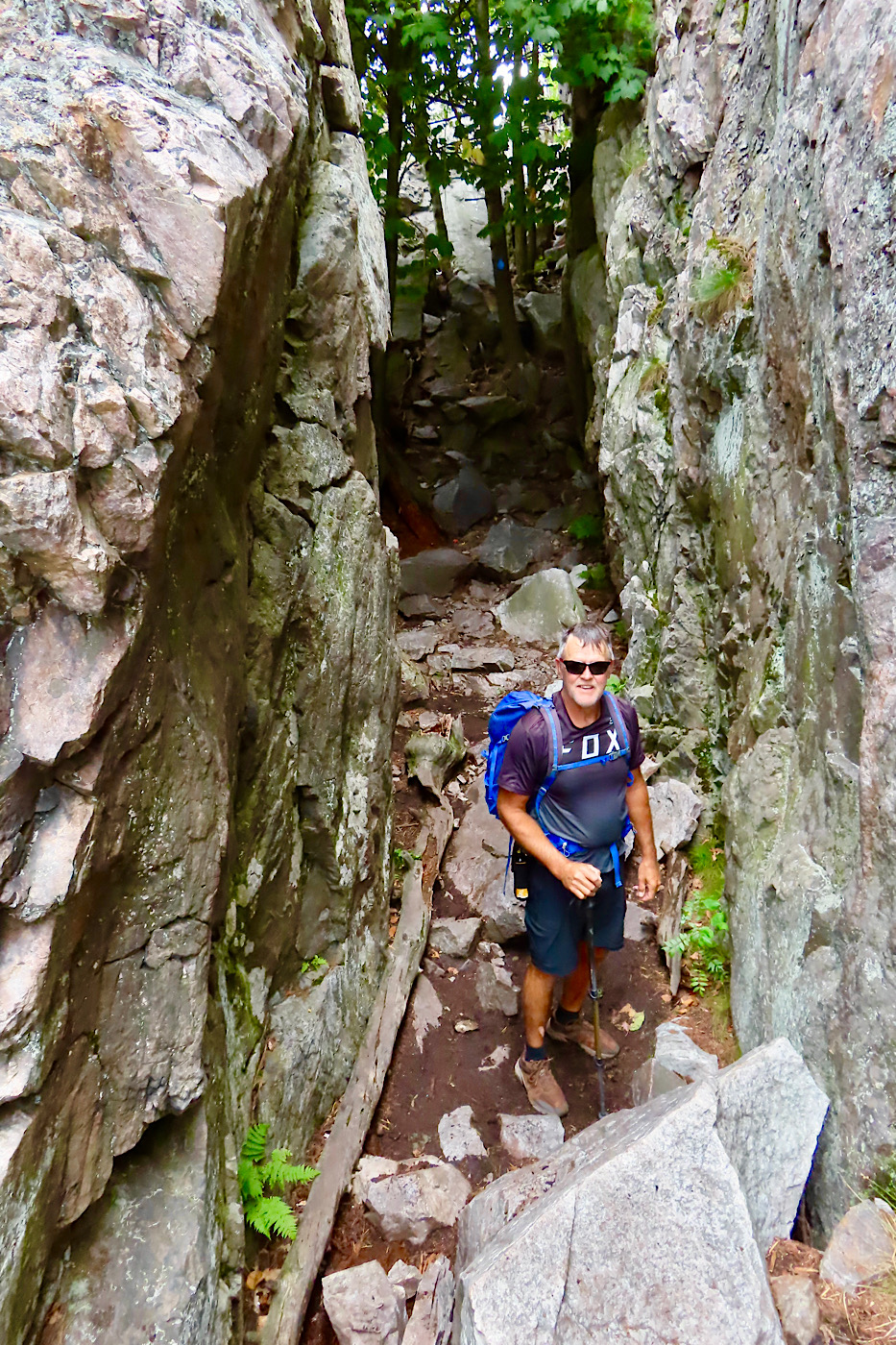
The final stretch is a scramble over massive boulders — challenging even in dry conditions. (It would be a different story entirely in the rain.)
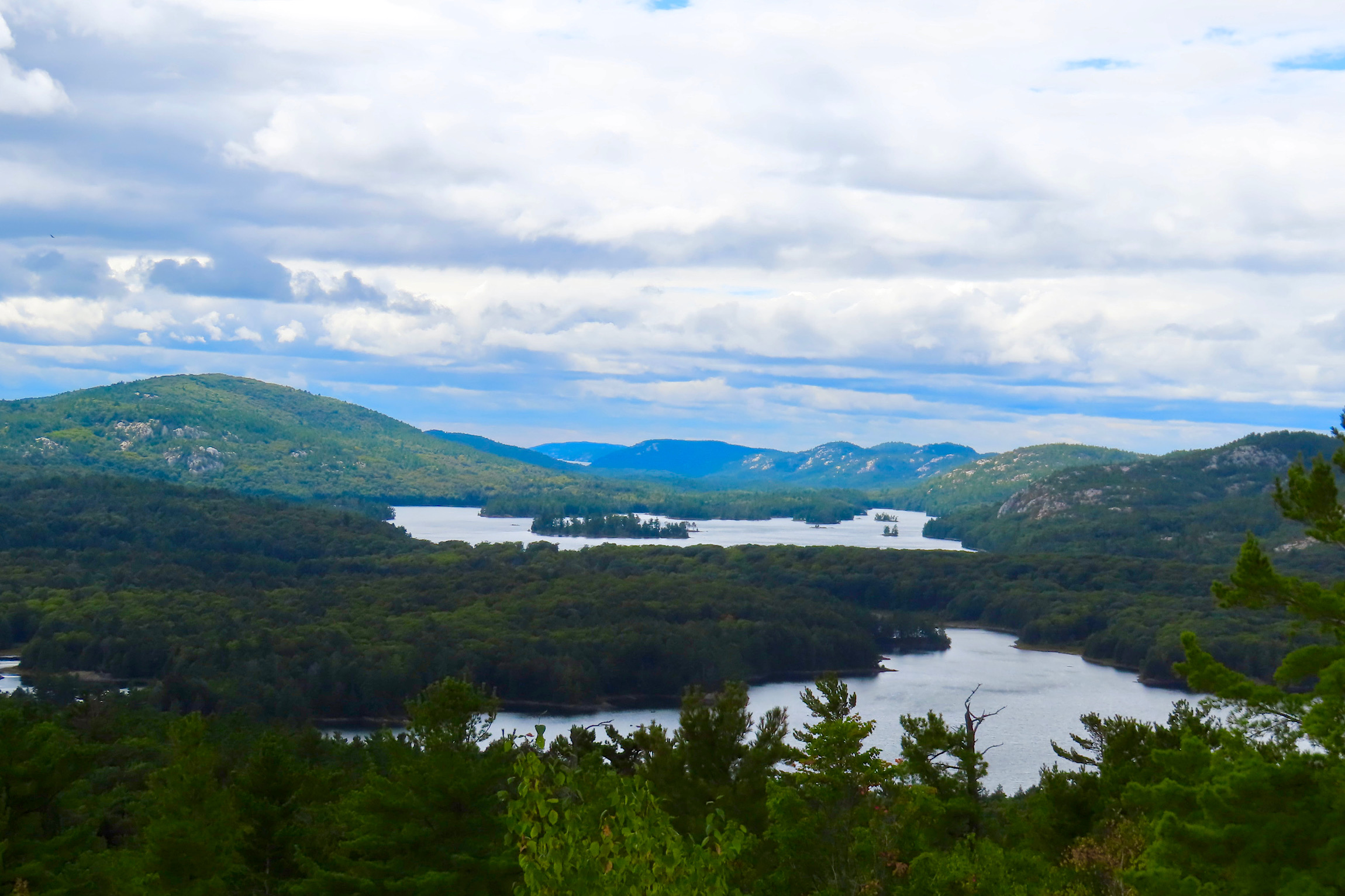
At the top, the reward is unmistakable: sweeping views over the white quartzite ridges and lakes below, painted with early hints of fall colour.
Back on the Water: George to Killarney Lake
By our final day, the wind had settled.
We returned to George Lake, this time heading in the opposite direction. The water was calmer, the skies clearer — and the experience closer to what we had envisioned.
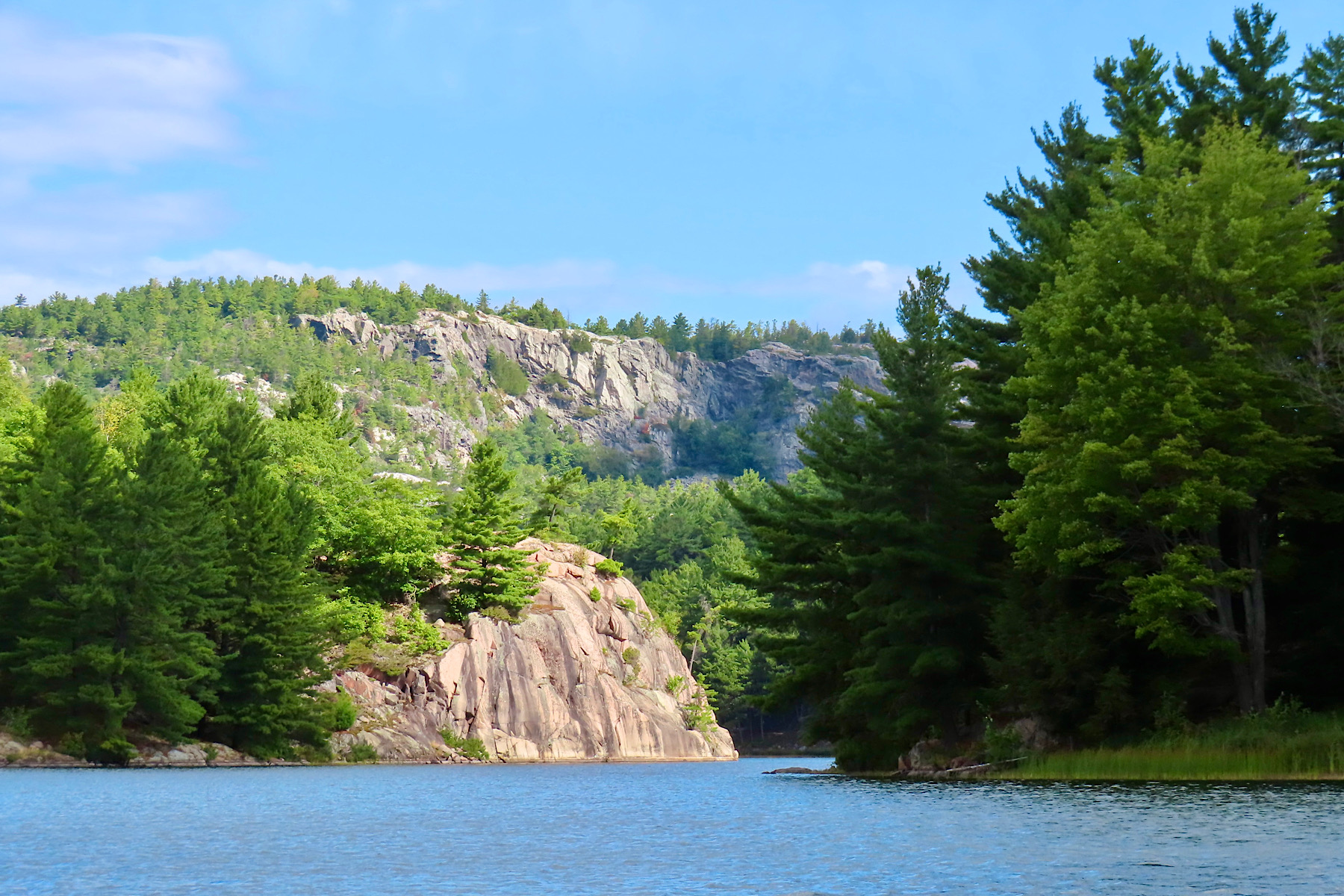
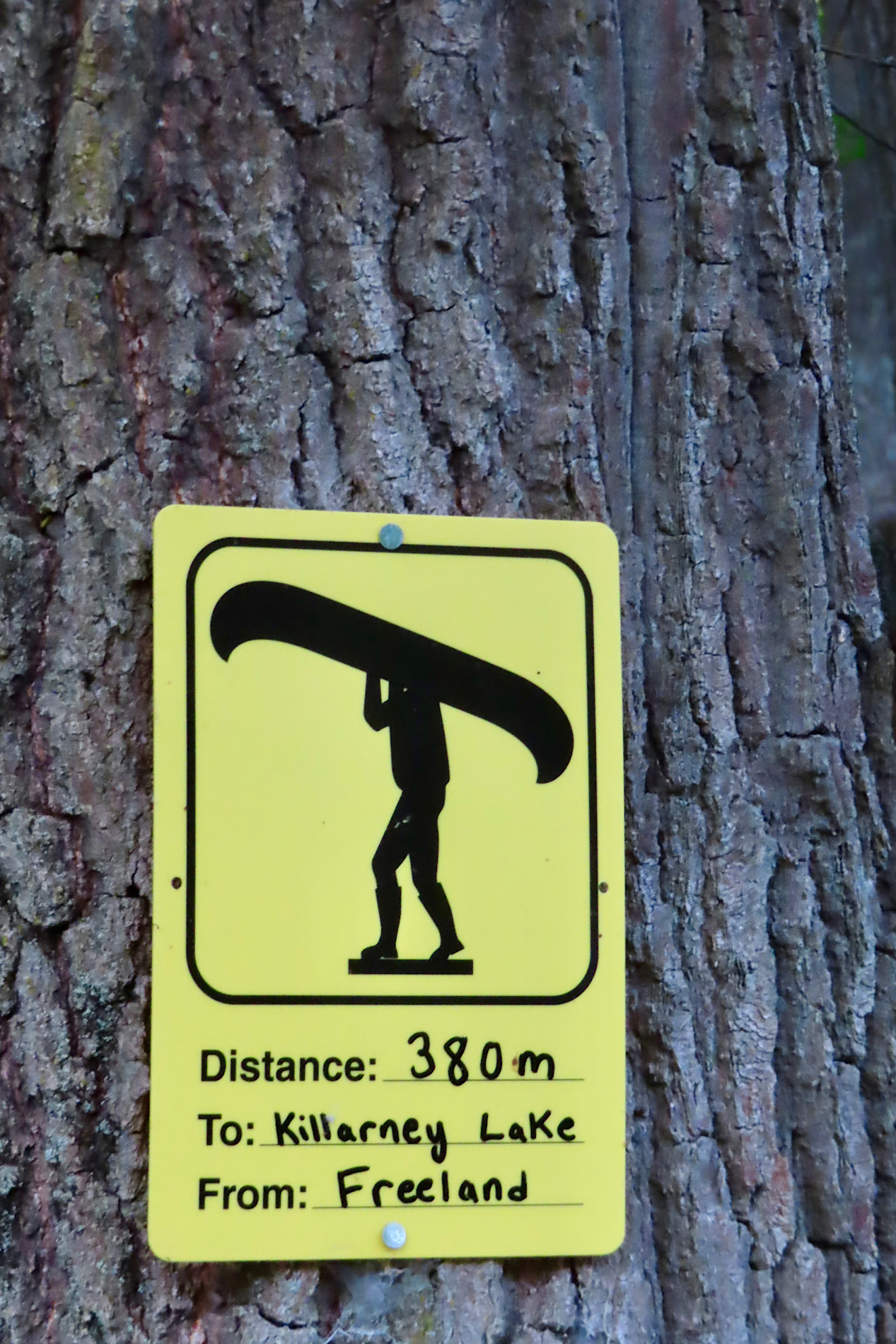
We explored quiet coves and checked out a few backcountry campsites (sites #3 and #4 stood out as favourites). A short 40 m portage led us into Freeland Lake before we scouted the longer portage into Killarney Lake.
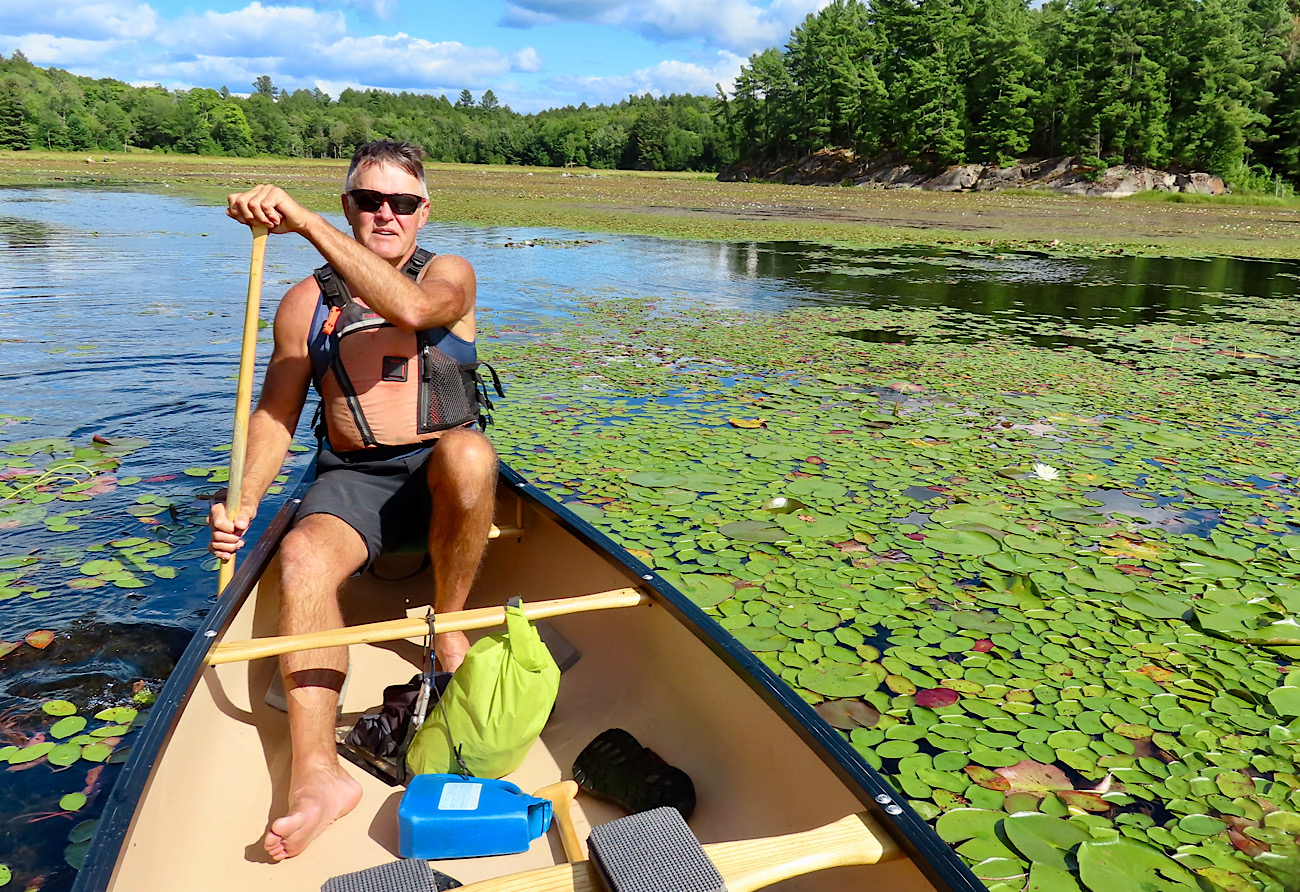
Even without completing the full route, it was enough to get a feel for the terrain: manageable portages, varied landscapes, and endless opportunities for exploration.
When You Go
Getting There:
Killarney Provincial Park is located about 4.5 hours north of Toronto, near the town of Killarney on Georgian Bay.
Where to Stay:
- Backcountry campsites: Book up to 5 months in advance through Ontario Parks
- George Lake Campground: Frontcountry option inside the Killarney Provincial Park
- Point Grondine Park: Anishinaabek-operated, quieter alternative
- Rocher Rouge Campground: Rustic, budget-friendly option in town (phone for reservations, 705-287-2332).
Booking Tip:
Reserve early — especially for summer trips. Flexibility helps if plans change.
The Takeaway
We didn’t canoe Killarney the way we had planned.
But we did paddle its waters. We hiked its ridges. And we started to get a feel for its rhythms — the wind, the weather, the way plans can shift in an instant.
And maybe that’s the real lesson.
Canoeing Killarney isn’t just about ticking off a route. It’s about adapting, exploring, and returning — because this is one place that calls you back.
Next time, we’ll be ready.
What do you do when a trip doesn’t go as planned?
Do you pivot, pull the plug, or just go with the flow?
I’d love to hear how you handle those unexpected moments —
let me know in the comments below!
And don’t forget to pin this post for future reference.


Leave a Reply